Intel Receives One-Year Waiver on FCC's Foreign Robot Ban for US Fabs
The chip maker obtained regulatory relief to continue operating automated guided vehicles in its semiconductor manufacturing facilities after expressing uncertainty about whether the devices fell under the FCC's new restrictions.
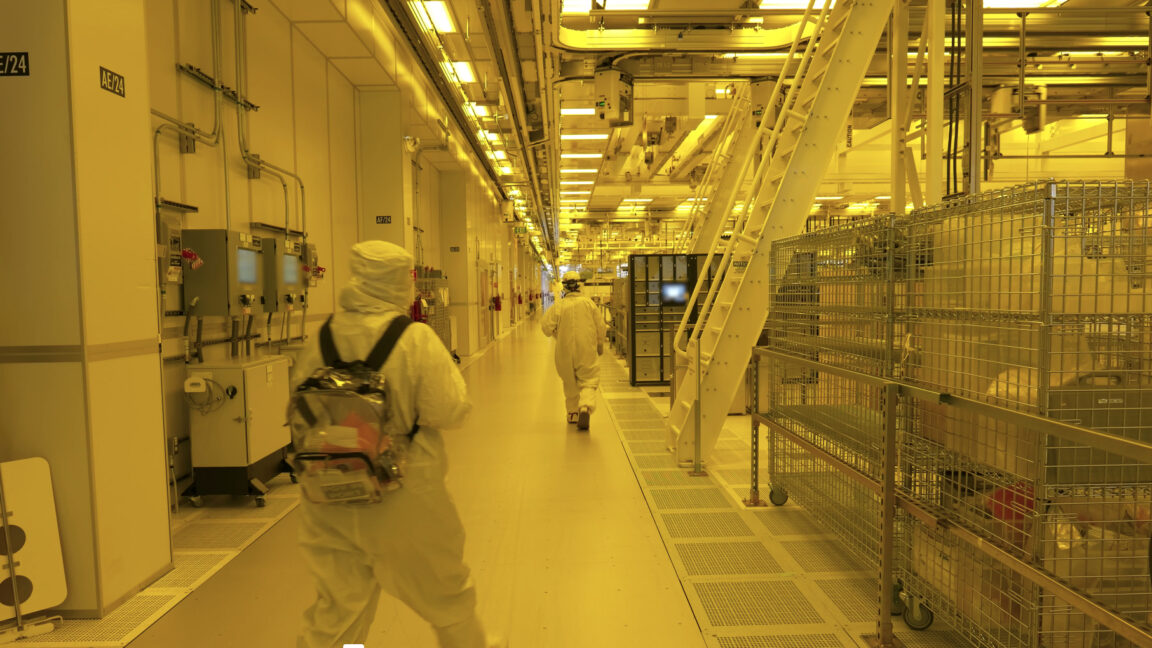
What happened
On October 22, the FCC granted Intel a one-year waiver allowing it to continue using foreign-made robotic vehicles—specifically automated guided vehicles operating on tracks or predefined paths—in its US semiconductor fabs. The robots, typically manufactured by Japanese companies like Murata Machinery and Daifuku Co., move materials around warehouses and factory floors. Intel stated in its waiver request that it was unclear whether its specific robotic vehicles even qualified as robots covered by the FCC ban but sought relief "out of an abundance of caution." The waiver also permits Intel to make certain hardware, software, and firmware changes to ensure continued operation and maintenance of the vehicles. The FCC's broader ban, which took effect recently, mainly restricts new models of mobile robots like humanoid robots and robot vacuums, while still allowing previously approved robots; however, major modifications to previously authorized devices appear restricted.
Context
The FCC ban on foreign-made robots creates regulatory ambiguity for semiconductor manufacturers who rely on automated equipment from Japanese suppliers to operate US fabs. Intel's uncertainty about whether its specific equipment fell under the restrictions, despite being a major US chip producer with direct regulatory access, suggests the ban's definitions and scope may not align clearly with existing industrial automation practices. The one-year waiver buys time while Intel presumably works to determine long-term compliance or seeks alternative sourcing.
What's disputed
The exact types of robotic vehicles used by Intel were identified only in a confidential appendix and not disclosed in the public FCC order, so the specific scope of equipment covered by the waiver remains undisclosed.