India launches first geosynchronous Earth-imaging satellite after 2021 failure
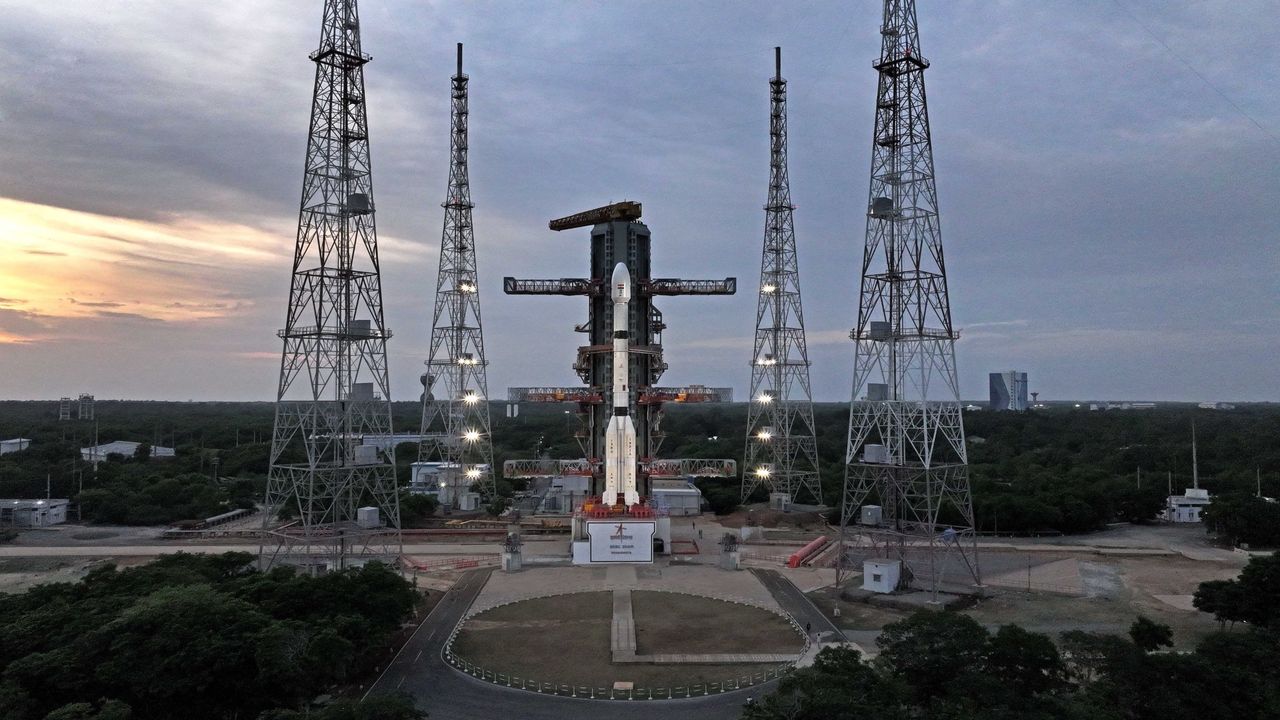
A GSLV Mark II rocket carried the EOS-05 satellite to geosynchronous orbit on September 3, marking India's first successful deployment of an imaging satellite at that altitude.
What happened
India's Indian Space Research Organisation (ISRO) launched a GSLV Mark II rocket from Satish Dhawan Space Centre on September 3, 2024, at 5:25 p.m. EDT, carrying the EOS-05 satellite (5,218 pounds / 2,367 kilograms) to geosynchronous orbit. This represents India's first successful geosynchronous Earth-imaging satellite deployment. The GSLV Mark II is a three-stage, 170-foot-tall rocket that has completed 12 flights to date with 10 successes. India's previous attempt in August 2021 to place the EOS-03 satellite in geosynchronous orbit failed, but the GSLV Mark II has since completed four consecutive successful launches as of this mission.
Context
Geosynchronous orbit, at 22,236 miles altitude, allows satellites to remain positioned over the same geographic location, making it valuable for weather monitoring, communications, and reconnaissance. EOS-05 is designed to provide persistent coverage of the Indian subcontinent, including remote border areas and strategic assets, and is intended for both civilian and military applications. According to Space.com, this launch marks the third orbital mission by India in 2024, following a failed polar satellite mission in January and a successful private sector orbital launch in July.