Medieval supernova from 1181 reveals unexpected knot-like structures in new telescope images
The Gemini North telescope has captured the clearest-ever images of Pa 30, the remnant of a supernova witnessed by Chinese and Japanese astronomers nearly 850 years ago.
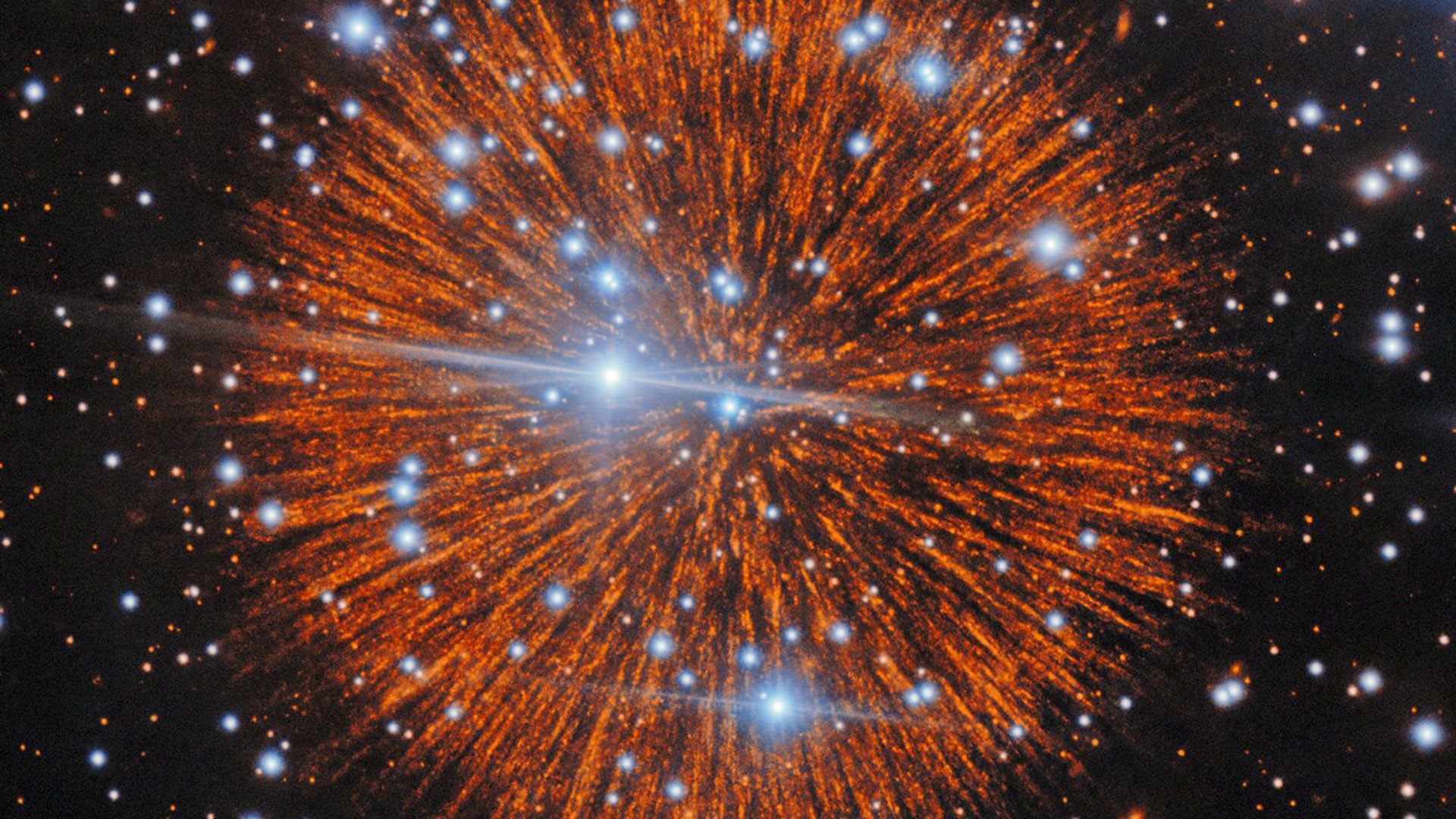
What happened
New observations from the Gemini North telescope in Hawaii of Pa 30, the remnant of supernova SN 1181, show that its filaments consist of chains of tiny gas knots rather than smooth streams of material—revealing about 10 times more filamentary structures than previously observed. The supernova was recorded as a naked-eye object by medieval astronomers in China and Japan between August 4-6, 1181, and remained visible for 185 days. The study, led by Timothy Cunningham at the University of Warwick, was published in The Astrophysical Journal. Pa 30 is located 7,500 light-years away in the constellation Cassiopeia.
Context
SN 1181 is one of only five supernovas in the Milky Way known to have been witnessed from Earth before telescopes were invented in 1608, making it exceptionally rare to obtain detailed observations of a supernova tied to a specific historical date. The knot-like structures may have resulted from temperature or density variations in material surrounding the star as debris expanded. Pa 30 contains another unusual feature: a surviving star positioned almost exactly at the center of the remnant, which suggests an unusually symmetrical explosion, since supernova explosions typically displace stars from their original positions. The remnant is thought to be a Type Iax supernova—a lower-energy, incomplete explosion of a white dwarf that can leave behind a 'zombie star'—and is the only known Type Iax supernova found to date.