FTC and 20 states sue Dollar General for systematic overcharging customers
Federal and state authorities accuse the nation's largest dollar-store chain of persistently charging customers more at registers than advertised, a pattern they say affects millions of purchases across its 20,000+ stores.
What happened
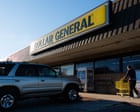
The Federal Trade Commission and 20 state authorities filed a 95-page lawsuit in federal court in Nashville against Dollar General, alleging the chain has for years engaged in deceptive pricing practices. The suit cites a Guardian investigation from December 2025 documenting that Dollar General stores failed over 4,300 government price-accuracy inspections in 23 states over three years. FTC undercover investigators made secret purchases at stores in Ohio, Pennsylvania, Missouri, and Maryland beginning in January 2026 over a two and a half month span, and found overcharges on multiple products at every single visit; at one Cleveland location, 8 of 58 items purchased (nearly 14%) rang up at prices higher than shelf labels. The lawsuit alleges Dollar General has policies on paper to align register and shelf prices—such as directing employees to replace outdated labels on certain days—but these policies "achieve little in practice" due to understaffing and lack of tracking mechanisms. Separately, New York's attorney general announced a $1.875 million settlement with Dollar General over similar overcharging allegations in that state.
Context
Dollar General markets itself as a low-cost alternative serving customers with limited means, making pricing accuracy central to its value proposition. The FTC notes that low- and fixed-income consumers—the chain's core customer base—are particularly vulnerable to financial harm from systematic overcharging across millions of transactions. Dollar General's own lawyers have argued in Ohio court filings that achieving 100% price accuracy across all items is "virtually impossible" and "neither plausible nor expected under the law," establishing a potential factual dispute about liability standards. The timing of the lawsuit—following months after the Guardian's December investigation drew public attention to the pricing failures—suggests the disclosures prompted regulatory action.
What's disputed
Dollar General contends that perfect alignment between shelf and register pricing is unrealistic and not required by law. The company has stated it is "committed to providing customers with accurate prices" and expressed disappointment when failing to do so, but does not dispute the underlying factual findings of overcharges in the FTC investigation.