ESA Steps Into Larger Earth Observation Role as NASA Budget Cuts Reshape Global Climate Monitoring
The European Space Agency is expanding its Earth observation capacity amid NASA funding reductions, though political changes have strained transatlantic climate cooperation.
What happened
Simonetta Cheli, director of Earth observation programs at the European Space Agency, stated in an interview that ESA and NASA no longer attend climate conferences together, a shift attributed to recent political context and NASA budget cuts to Earth observation. ESA has significantly expanded its Earth observation infrastructure since 1988—now managing over 20 missions and planning more than 40 additional ones. The agency launched three new missions within three weeks prior to the interview, including systems for oceanography monitoring, vegetation health tracking, and land and sea temperature measurement. ESA also recently launched the latest batch of eight satellites in the IRIDE constellation (Italian-funded, ESA-operated), bringing the total launched to 39 of a planned 68-satellite network.
Context
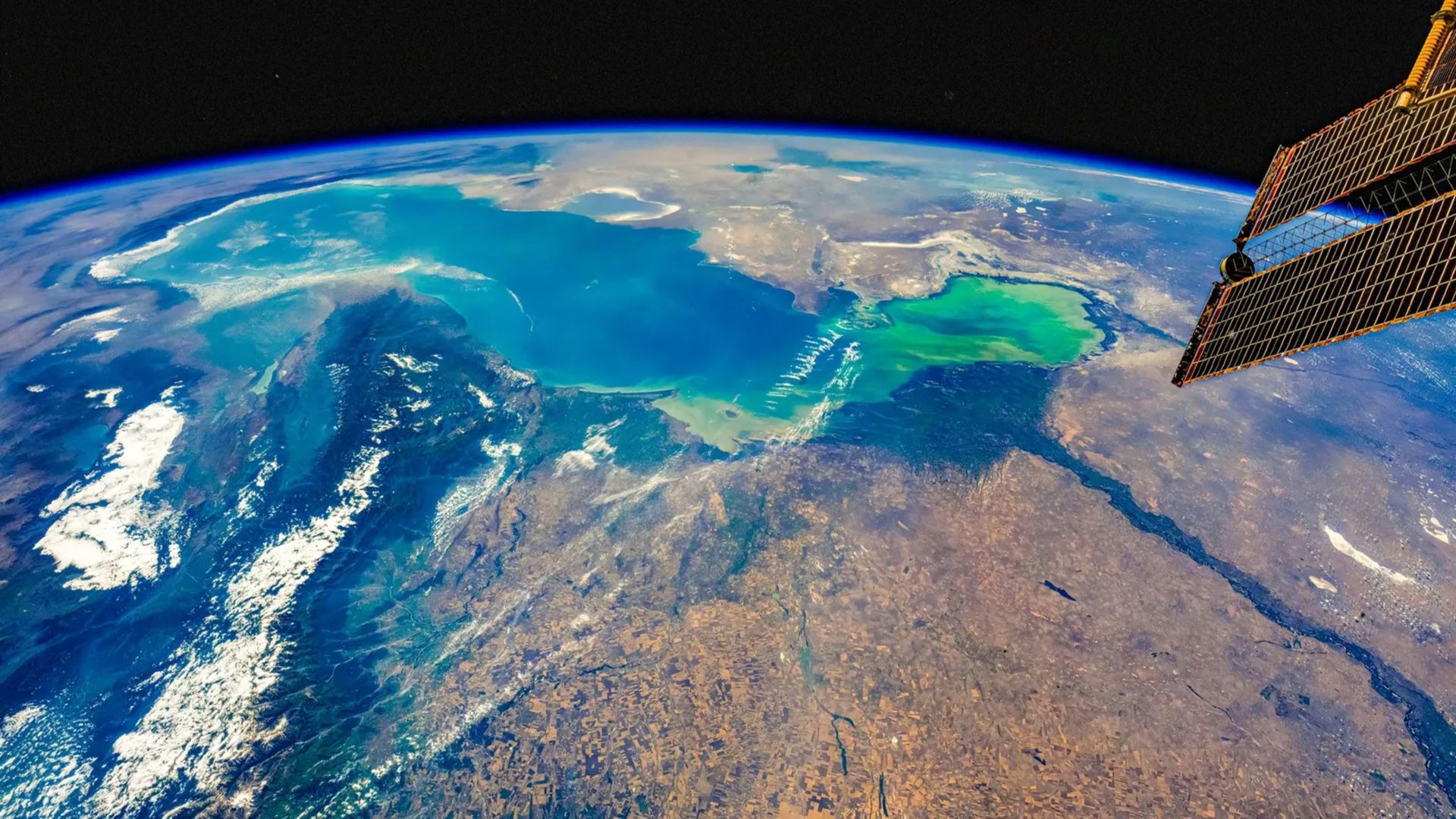
Earth observation from space provides critical data on planetary health indicators including deforestation, air quality, ocean evolution, and ice mass changes—information essential for understanding climate change impacts and environmental degradation. ESA's growth reflects its emergence as a leading global power in this domain, with capabilities that already exceed U.S. leadership in certain areas such as emissions data. However, the expansion of private satellite constellations like SpaceX's Starlink is creating operational pressure: ESA mission managers must conduct increasing numbers of anti-collision maneuvers to avoid low-Earth-orbit satellite congestion. The breakdown in NASA-ESA joint climate conference attendance signals a broader deterioration in formal international coordination at a time when addressing global climate challenges nominally requires worldwide data-sharing and common objectives.