Tesla's Cybercab Under Federal Investigation Despite Company Claims of Compliance
The National Highway Traffic Safety Administration is probing whether Tesla's steering wheel-free robotaxi meets federal safety standards, even as the company prepares to deploy it on public roads.
What happened
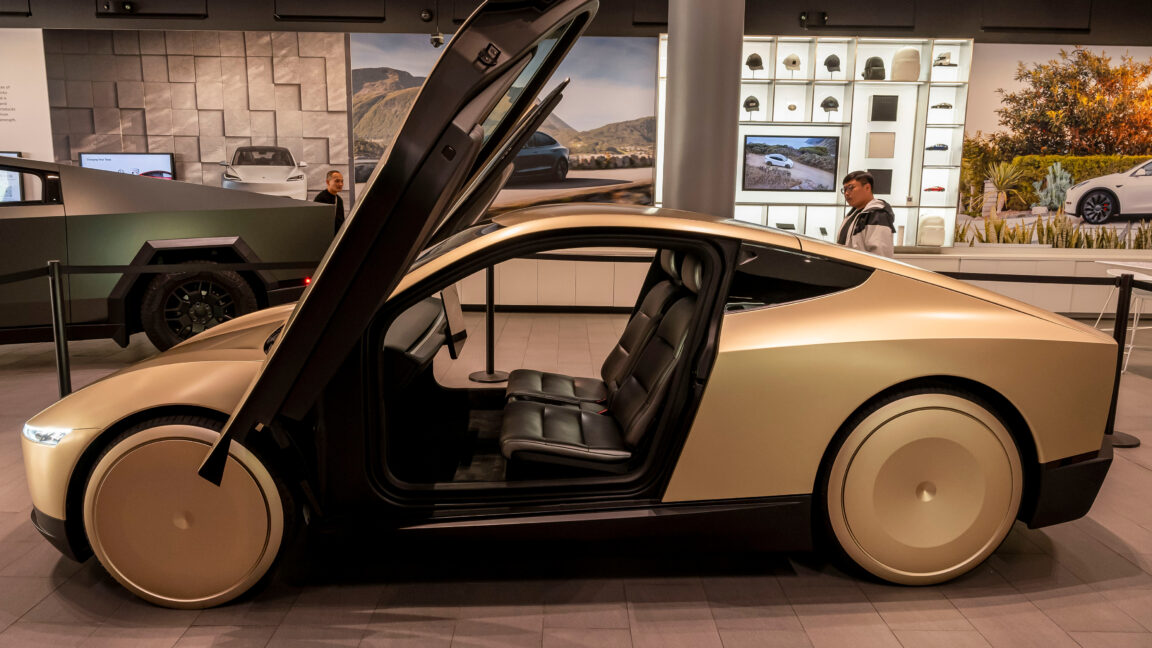
Tesla's Cybercab, a two-seater vehicle without a steering wheel or brake pedals, has begun deployments in Texas and Florida as part of the company's Robotaxi ride-hail network. The National Highway Traffic Safety Administration launched an investigation into whether the vehicle meets existing federal safety standards, beginning hours after Tesla hosted a public demonstration in Austin. Tesla has stated it does not require a federal exemption because it believes its vehicles comply with all current safety standards.
Context
The investigation reflects a regulatory mismatch: federal vehicle safety standards were written for conventional cars and include requirements for components that driverless vehicles do not use—such as brake pedals, windshield wipers, and rearview mirrors. The NHTSA is updating these standards to accommodate autonomous vehicles, but the revised rules are not yet in effect. Other unconventionally designed robotaxi companies, including Amazon subsidiary Zoox, have been required to apply for exemptions from existing federal rules before operating; Zoox received the first such exemption this summer, which limits it to 2,500 vehicles this year. Tesla's refusal to seek an exemption puts the company at odds with both regulatory guidance and the precedent set by competitors.
What's disputed
Whether Tesla's Cybercab actually complies with existing federal safety standards—Tesla claims it does; the NHTSA investigation is examining this claim.