Guinea-Bissau police raid office of researchers planning hepatitis B vaccine trial on newborns funded by CDC under RFK Jr.
Authorities seized vaccine doses intended for a trial that international health experts have deemed unethical and that was funded with US taxpayer dollars through a CDC grant announced under Health Secretary Robert F. Kennedy Jr.
What happened
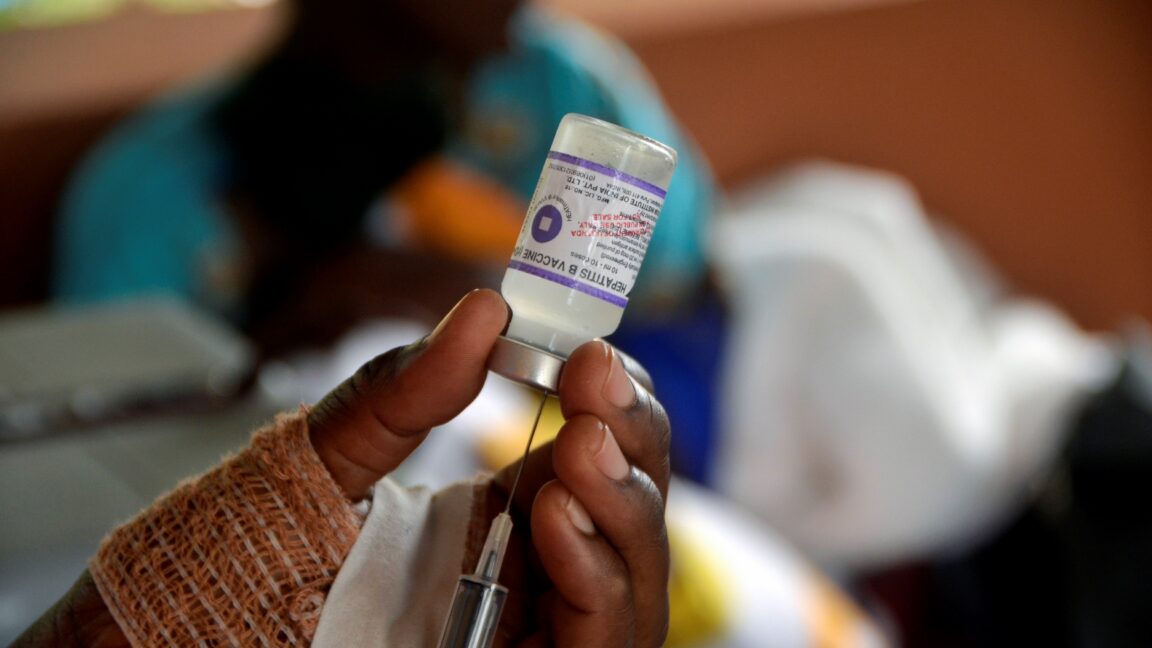
Police in Guinea-Bissau raided the offices of Danish researchers Peter Aaby and Christine Stabell Benn on Monday, seizing hepatitis B vaccine doses intended for a newborn vaccine trial. Under Health Secretary Robert F. Kennedy Jr., the CDC announced in December that it had awarded the researchers an unsolicited $1.6 million grant to conduct the trial. The trial design would potentially expose thousands of newborns in Guinea-Bissau to hepatitis B, risking lifelong infection leading to liver cirrhosis, cancer, and premature death. Trial plans were halted in January after widespread condemnation, and a Rolling Stone report claimed the CDC set aside another $1.6 million in late September with plans to move forward.
Context
The trial's advancement despite international condemnation reflects tension between RFK Jr.'s anti-vaccine positions and established public health protocols. Aaby and Stabell Benn are controversial researchers claiming vaccines cause overlooked harms and are currently under investigation for alleged scientific misconduct by Danish authorities, yet have been repeatedly praised by Kennedy. The controversy centers on US government funding for research that health experts consider unethical, raising questions about oversight and decision-making under Kennedy's leadership of the CDC.
What's disputed
The characterization of the trial's ethical status and the researchers' scientific credibility is contested, with international health experts calling it unethical while Kennedy and allies support the research.