Hunter's Moon rises this weekend alongside Saturn and the Pleiades
October's full moon will appear nearly 100% illuminated on Sunday and Monday evenings, offering optimal viewing opportunities near the eastern horizon.
What happened
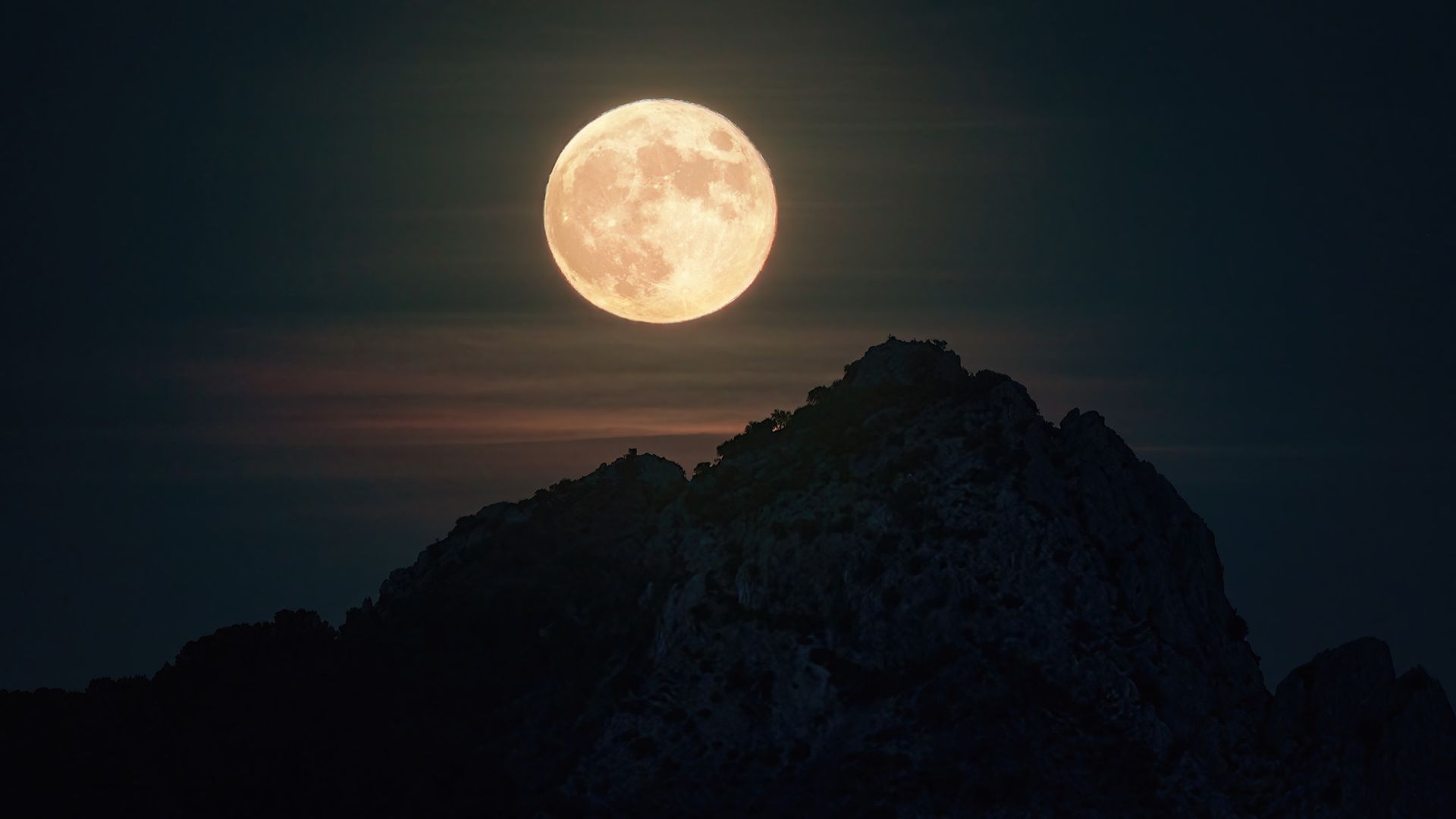
October's full Hunter's Moon officially turns full at 12:11 a.m. EDT on Monday, October 26, but will appear almost perfectly full and visible on both Sunday, October 25, and Monday evenings as it rises on the eastern horizon around sunset. On Sunday, the moon will rise in the constellation Aries with Saturn positioned to its upper right. On Monday, it will rise above the Pleiades open cluster. The moon may appear unusually large due to the "moon illusion" caused by its proximity to familiar objects near the horizon. Best viewing conditions require a clear view of the low eastern horizon from an elevated viewpoint, open field, or coastline.
Context
The Hunter's Moon derives its name from its traditional role as a signal for hunters to prepare for winter by hunting and preserving meat, though Native American cultures have called October's full moon by other names including the Drying Rice Moon, Falling Leaves Moon, and Freezing Moon. This full moon is not a supermoon, but it immediately precedes a notable sequence of four consecutive supermoons beginning with the Beaver Moon on November 24, followed by full moons in December, January, and February. Supermoons appear somewhat larger and brighter than average because they occur when the full moon is relatively close to Earth in its elliptical orbit.