Archaeologists discover unusual circular Roman bath complex in Serbian imperial palace
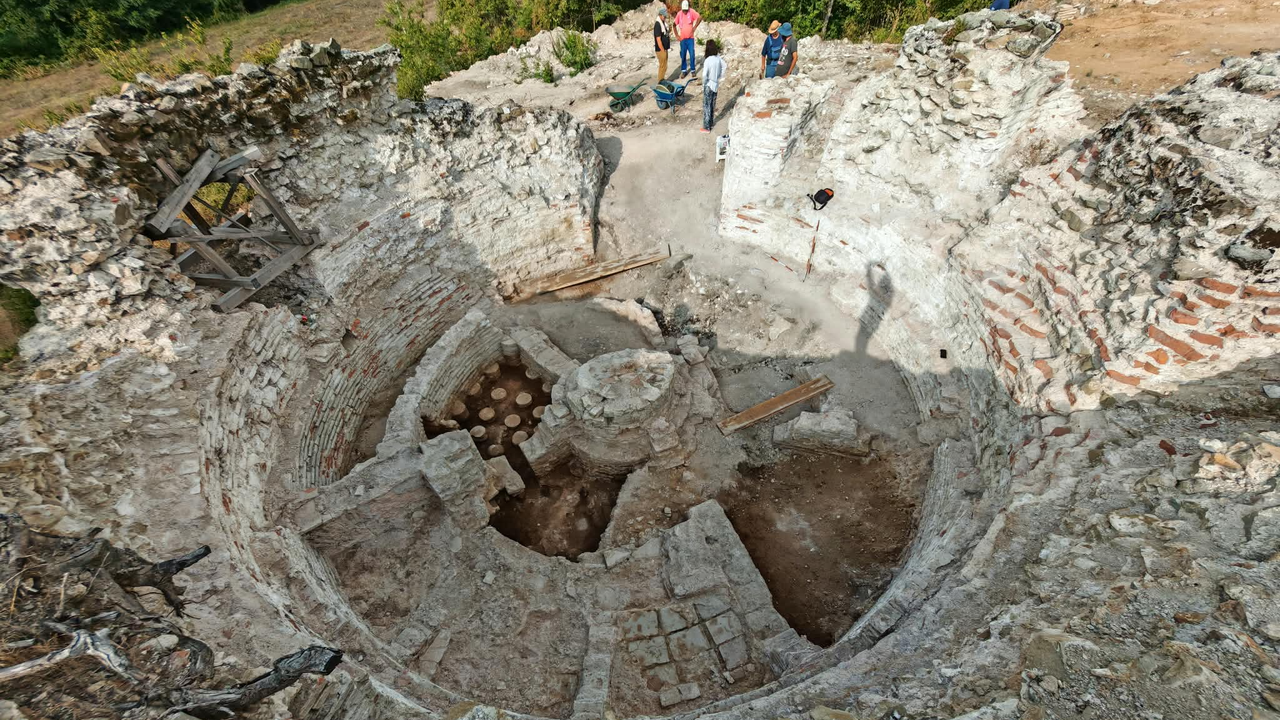
Excavations at the fourth-century residence of Emperor Maximinus Daza have revealed a lavishly engineered private bath housed in a tower, a structural arrangement never before documented in the Roman Empire.
What happened
Researchers from Serbia's Institute of Archaeology uncovered a balneum at Vrelo-Šarkamen, a fortified imperial palace built in the early fourth century and occupied by Roman Emperor Maximinus Daza (ruled 310–313). The bath complex, located on the lowest level of a southwest corner tower, featured a circular design with a domed ceiling and six windows—departing from the linear room-by-room layout typical of Roman baths. The facility included a furnace-heated floor system, a copper boiler base for water heating, three bathing pools, and a sudatorium (sauna), along with separate equipment and bathing sections. According to archaeologists, the complex was a carefully designed space combining architecture, technical infrastructure, and comfort intended for the emperor and high-status palace residents.
Context
The discovery adds to understanding of Maximinus Daza's residence as more complex and luxurious than previously known. Maximinus Daza was one of four tetrarchs (co-rulers) who administered the fractured Roman Empire after Diocletian's administrative division in 293; by 305 he served as junior ruler alongside Constantius and Galerius as senior emperors and Severus as the other junior ruler, but the tetrarchy had begun to fall apart. He ruled for only three years, dying in 313 after defeat in civil war against Licinius. The bath's unusual circular tower placement and engineering sophistication—particularly the domed ceiling with six windows—demonstrates a high level of engineering knowledge and represents significant architectural achievement during the imperial period. Ongoing excavation aims to clarify how the rooms were structured and how the emperor and his family accessed the facility.