Indian fighter pilot's year-long headaches traced to ill-fitting helmet, not migraines
Military doctors eventually diagnosed external compression headache after initial civilian misdiagnosis prompted deeper investigation into the pilot's equipment and flight history.
What happened
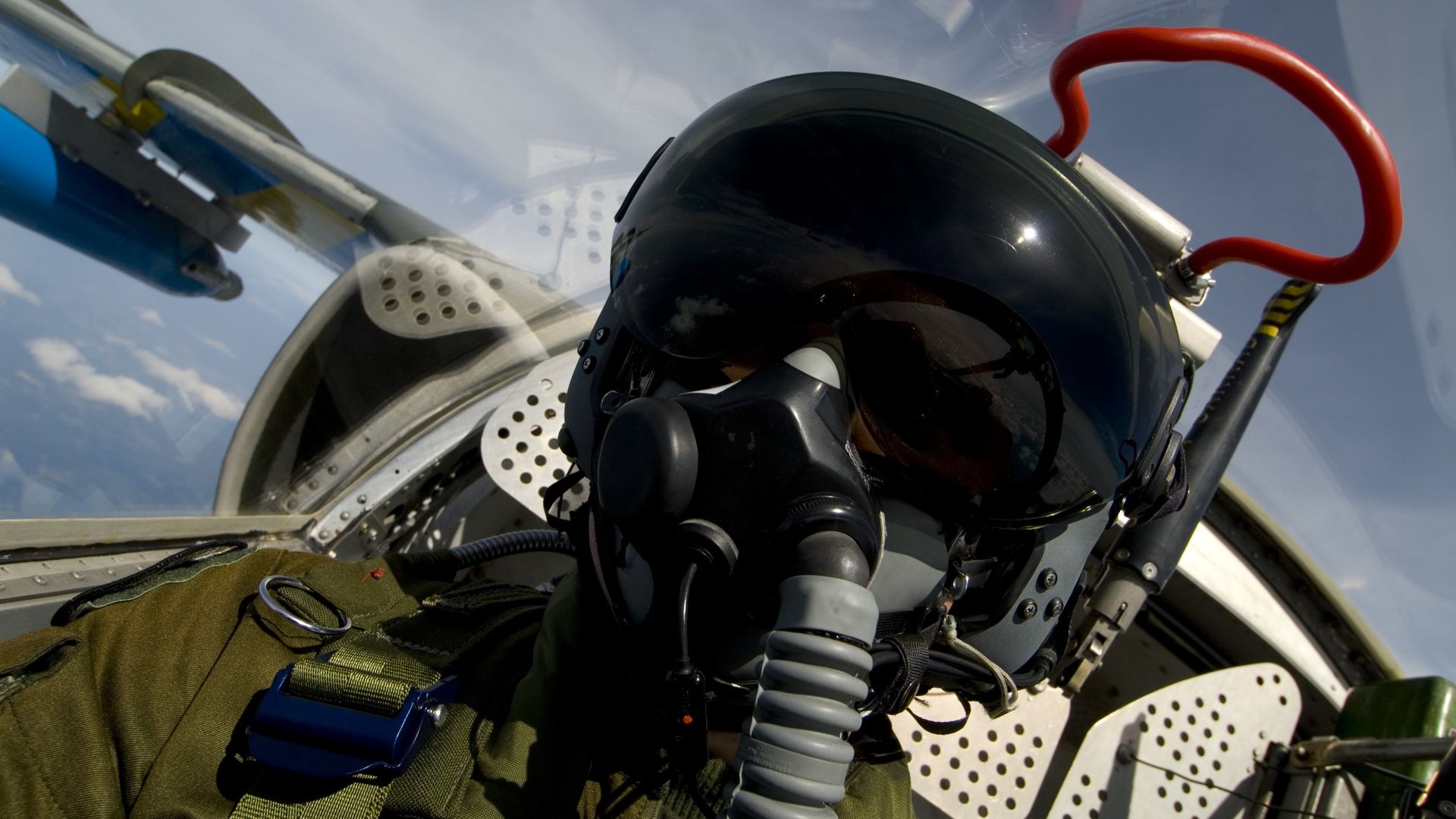
A 29-year-old Indian Air Force fighter pilot experienced intense headaches occurring two to three times monthly for 18 months, with pain lasting up to three days and sometimes severe enough to prevent him from flying. A civilian neurologist initially diagnosed migraines and prescribed divalproex; military doctors at a medical facility initially agreed, finding normal test results and only a minor deviated septum. During in-depth interviews for flight status review, the pilot recalled that his headaches began when he started using a new, tighter-fitting helmet and worsened with longer wear and multiple flights. Around the time he received a correctly-sized helmet for a new plane assignment, his headaches ceased. Military doctors concluded the diagnosis of migraine was incorrect; the pilot had been suffering from external compression headache caused by the ill-fitting helmet, which resolved once proper-fitting headgear was used.
Context
The case highlights a diagnostic failure where two medical evaluations missed a mechanical cause by anchoring on a presumptive diagnosis unsupported by typical migraine indicators—the pilot lacked nausea, vomiting, visual auras, and did not experience relief from sleep. The pilot's symptom pattern correlated directly with equipment usage and ceased when that equipment was changed, yet neither he nor his doctors initially connected the two. The discovery carries operational significance for military aviation: military doctors found no prior documented cases of compression headache in fighter pilots across any air force globally when they scoured peer-reviewed studies, and they emphasized the medical importance of ensuring proper fit of flight uniforms, particularly helmets. The case illustrates how occupational context—the specific demands and equipment of flying—can be overlooked in standard diagnostic frameworks.