DNA study of colonial Montreal cemetery finds no genetic evidence of Indigenous-European admixture
Analysis of 45 skeletons from a 17th-18th century Catholic burial ground reveals all individuals had French European ancestry with no Indigenous or African genetic mixing.
What happened
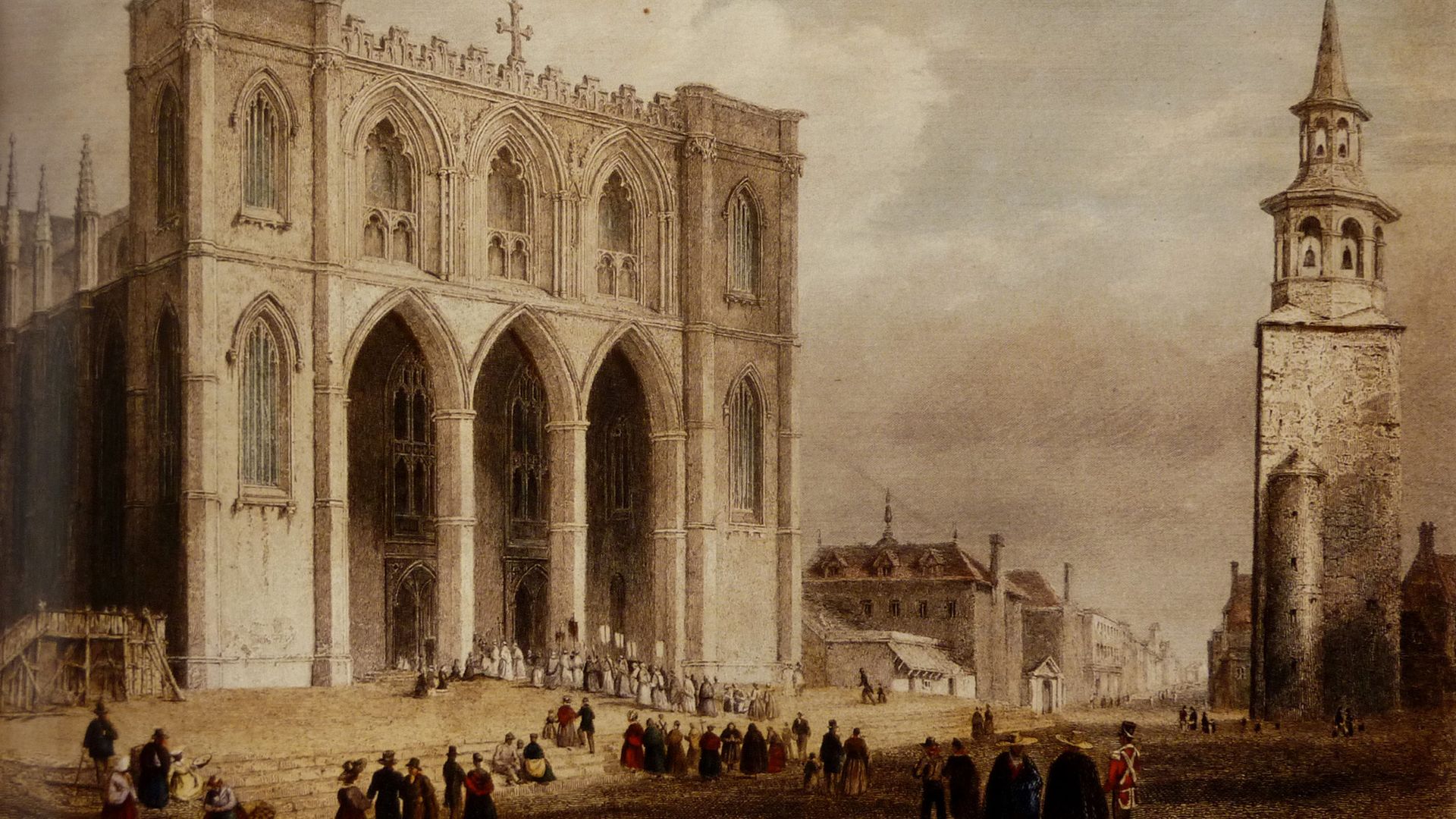
Researchers led by Diane Martin-Moya at the University of Quebec in Trois-Rivières sequenced DNA from 45 individuals buried in Notre-Dame Cemetery in Montreal (1683-1796) and compared their genomes against European, West African, and Indigenous American populations. All 45 individuals analyzed showed French European ancestry with no evidence of recent Indigenous or African admixture. The findings were published October 5 in PNAS and challenge popular narratives of widespread intermarriage between Indigenous and French colonists during early colonization.
Context
The study has implications for understanding colonial population dynamics and the prevalence of claimed Indigenous ancestry in modern Quebec. Genealogy and commercial DNA tests have amplified family stories of Indigenous ancestry among Québécois, but the researchers suggest such distant claims may be overstated and could undermine the rights and recognition of actual Indigenous nations. The apparent lack of genetic mixing in this cemetery sample is consistent with other genealogical and genetic research indicating limited Indigenous ancestry among present-day French Canadians. However, the findings reflect only one cemetery and likely a lower-class population, as wealthier residents and clergy buried inside the church were more likely to be exhumed and removed. Archival records show some Indigenous people were buried in Montreal Catholic cemeteries in the 17th century, but over time Indigenous communities were displaced through land dispossession and mission relocation away from urban centers.
What's disputed
The researchers note their sample is small and from a single cemetery, so the findings do not necessarily apply to all colonial Montreal or prove that Indigenous-European unions never occurred. The study reflects cemetery burial patterns and does not indicate whether Indigenous or African-descended people were absent from the city overall. Martin-Moya emphasizes that biological ancestry alone cannot establish Indigenous belonging, which is rooted in kinship, community, and relationships with land.