Fire at $3.2B AI Data Center Exposes Safety Gaps and Diffuse Corporate Responsibility
A June fire at Lake Mariner in New York revealed inadequate emergency preparedness at a major AI facility owned and operated by multiple overlapping entities with unclear accountability.
What happened
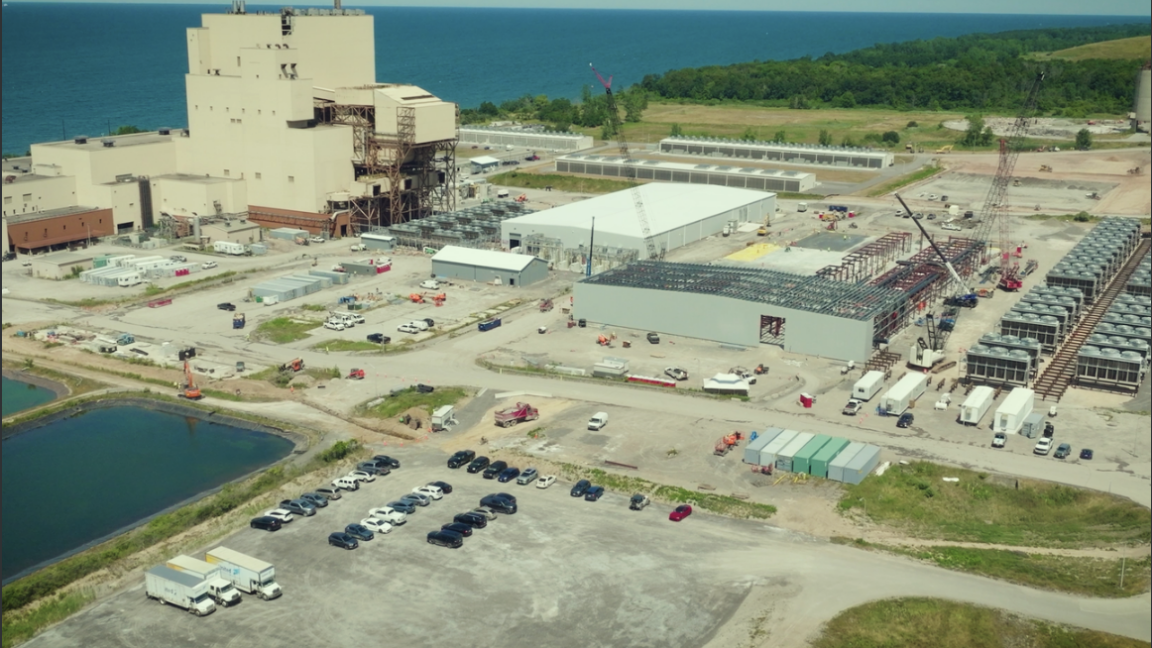
In early June, a fire broke out at the Lake Mariner data center in Somerset, New York, a $3.2 billion AI facility still under construction. Responding firefighters found no working alarm system, no suppression system, and three dead hydrants; safety documentation reportedly burned in the blaze, forcing them to operate "kind of blind" without knowledge of chemical hazards. No injuries were reported and construction continued after the fire. Following an after-action review, TeraWulf (the site operator) implemented Knox boxes, additional hydrants, and safety data sheet go-bags, though as of mid-August, hydrants remained dry and a Knox box program was still in planning stages.
Context
The Lake Mariner incident illustrates a structural problem across the AI data center buildout boom: responsibility is fragmented across multiple entities. TeraWulf owns and operates the facility on land it leases from a company owned by its own CEO; Fluidstack (a UK-based AI company) will run operations; Google holds equity warrants and guarantees lease payments; and Anthropic is among the AI companies the facility will serve. This diffusion of legal, operational, financial, and reputational responsibility creates ambiguity about accountability when safety or environmental issues arise. The fire also exposed a broader mismatch between industry promises and local realities. Somerset was originally promised 165 permanent jobs and $85 million in capital investment in 2019, but a 2024 planning presentation indicated the full buildout would deliver only 35-40 permanent jobs at a facility consuming up to 500 megawatts—a fraction of the original commitment. Governor Hochul has acknowledged that despite massive scale and utility demands, data centers generate few long-term jobs, creating pressure on the industry to commit to local workforce development. Additionally, data centers impose socialized costs on regional power grids; when large constant loads are added, system-wide electricity costs increase for all consumers regardless of whether they benefit from the facility. Anthropic pu
What's disputed
The fire's destruction of safety documentation is disputed by TeraWulf, which expressed uncertainty about the claim that safety sheets burned in the blaze. The extent of promised job creation versus actual jobs to be delivered remains unresolved; TeraWulf's CEO Paul Prager did not respond to requests for comment on the discrepancy between 2019 commitments and 2024 projections.