Europe's SMART-1 Moon Probe Completes Mission with Intentional Lunar Impact
On September 3, 2006, the European Space Agency's SMART-1 spacecraft deliberately crashed into the moon after nearly two years in lunar orbit, concluding a technology demonstration mission.
What happened
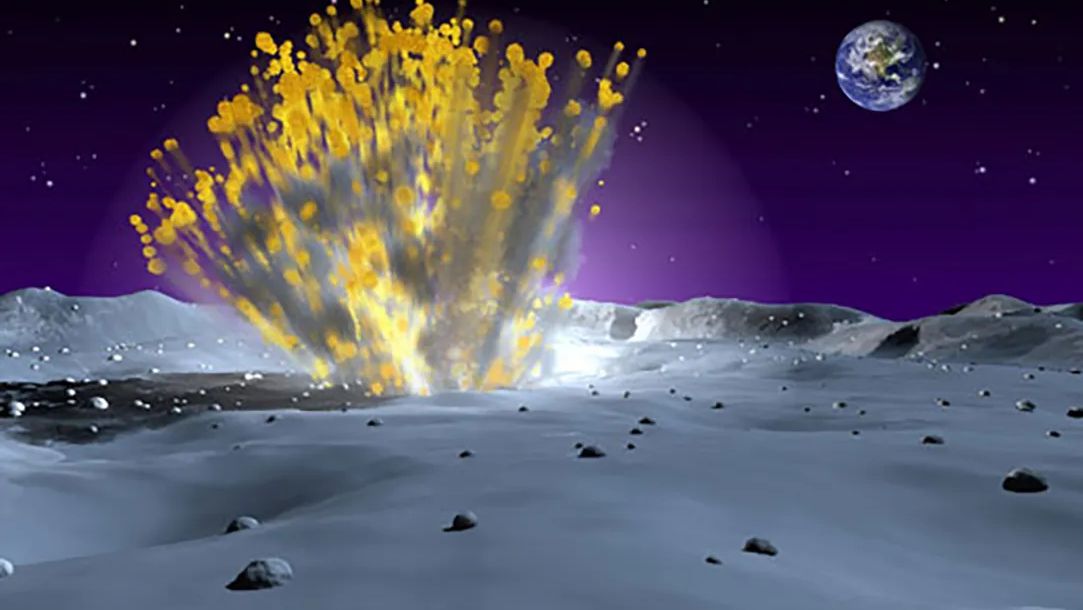
SMART-1, launched by ESA in 2003 as the first European spacecraft to reach the moon, impacted the lunar surface at 4,473 mph (7,200 kph) in a region called the 'Lake of Excellence' on September 3, 2006. The impact was intentional and observed by Earth-based telescopes, which recorded the flash from the collision. NASA's Lunar Reconnaissance Orbiter later photographed the impact site 11 years after the crash, revealing a crater just over 13 feet wide and a gouge over 65 feet long. The mission was expected to last six months but persisted for about three years due to engine maneuvers devised by mission managers that extended its operational life.
Context
SMART-1's primary objective was to test Solar Electric Primary Propulsion, a solar-powered xenon-fueled engine technology, making it only the second spacecraft to demonstrate this propulsion system after NASA's Deep Space 1. While in lunar orbit, the spacecraft mapped the lunar surface, studied mineral composition, and searched for water ice and infrared signatures. The deliberate impact was designed to provide astronomers insights into meteor impact mechanics. The successful demonstration of solar electric ion propulsion technology paved the way for subsequent missions: BepiColombo to Mercury, NASA's Psyche asteroid spacecraft, the Dawn asteroid mission, and the DART asteroid impact mission all employ similar xenon propulsion systems.