DNA Expert Who Testified in Death-Row Case Recants, Says Prosecutors Distorted His Conclusions
Twenty-four years after his testimony helped convict Jeffrey Prible of murder, forensic expert William Watson says he would testify differently today and that Harris County prosecutors misrepresented his findings.
What happened
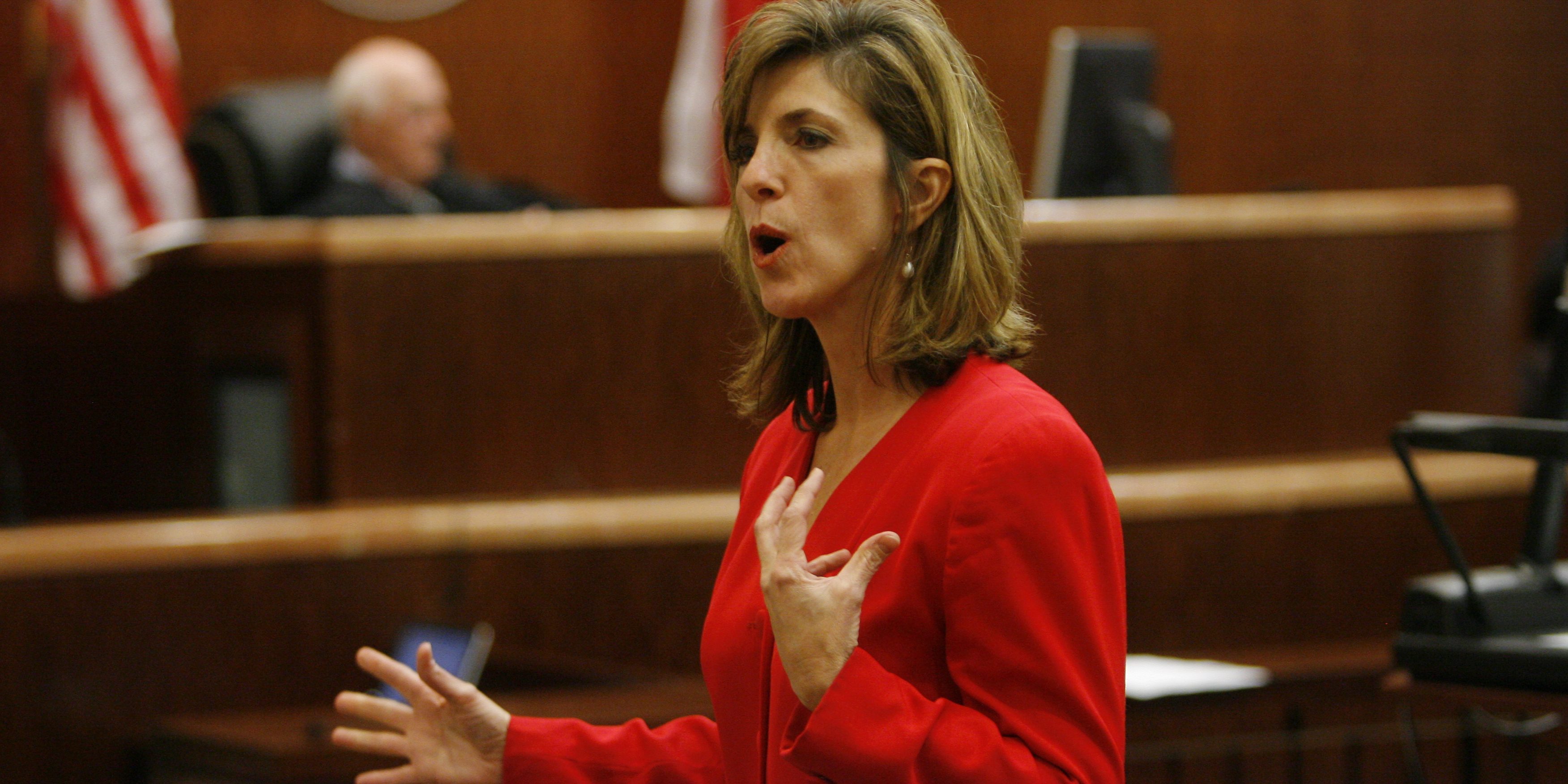
In August 2024, DNA expert William Watson filed a declaration recanting the testimony he gave in Jeffrey Prible's 2002 capital murder trial. Watson stated that based on changes in forensic science and his increased experience, he would provide "more thorough and nuanced explanations" if testifying today and that his answers to many prosecution questions would differ. Watson also declared that prosecutors—including then-Assistant District Attorney Kelly Siegler—"misrepresented" his conclusions in opening and closing statements with "inflammatory" remarks that distorted both the science and his opinions. Prible was convicted of killing Steve Herrera and Nilda Tirado in a 1999 Houston home invasion that claimed the lives of their three children; the key evidence was Prible's DNA found on Tirado's body, which prosecutors characterized as evidence of sexual assault immediately preceding murder, though Prible claimed the contact was consensual and earlier that evening. Prible's legal team filed Watson's recantation in state court as part of an effort to overturn the conviction, arguing that the DNA expert's change of position—coupled with evidence of prosecutorial misconduct revealed in federal habeas proceedings—demonstrates his actual innocence.
Context
The case illustrates a pattern flagged in a 2023 Intercept investigation: Siegler, who secured 19 death sentences during her nearly 22-year tenure as a Houston prosecutor, subsequently became a television true-crime personality whose shows present her as an effective crime-fighter, even as her convictions have faced scrutiny. Federal Judge Keith Ellison overturned Prible's conviction in 2020, finding that Siegler had withheld information about her dealings with jailhouse informants—including evidence that some in her network of cooperating snitches had offered false testimony or that Siegler herself had provided case details to informants. The 5th Circuit reinstated the conviction on procedural grounds without reviewing the substantive constitutional violations. Watson's recantation now provides fresh grounds for appeal in state court, as Prible's legal team argues that changes in forensic biology undermine the scientific foundation of the original conviction.
What's disputed
Whether Prible is actually innocent and whether his conviction should be overturned remain contested in ongoing appeals. The nature of Prible's contact with Tirado—whether consensual (as Prible claims) or part of a sexual assault preceding murder (as prosecutors asserted)—was fundamentally disputed at trial and remains at issue. The extent to which Siegler knowingly conspired to frame Prible versus exercising carelessness in vetting informant evidence is characterized differently by sources: her defense would likely emphasize prosecutorial discretion, while Prible's lawyers argue active conspiracy.