Research roundup: August science stories including discovery of 'black hole star' and plastic-eating microbes
Astronomers identified a new celestial object combining properties of stars and black holes, while researchers developed a process using genetically programmed yeast to convert plastic waste into edible cookies.
What happened
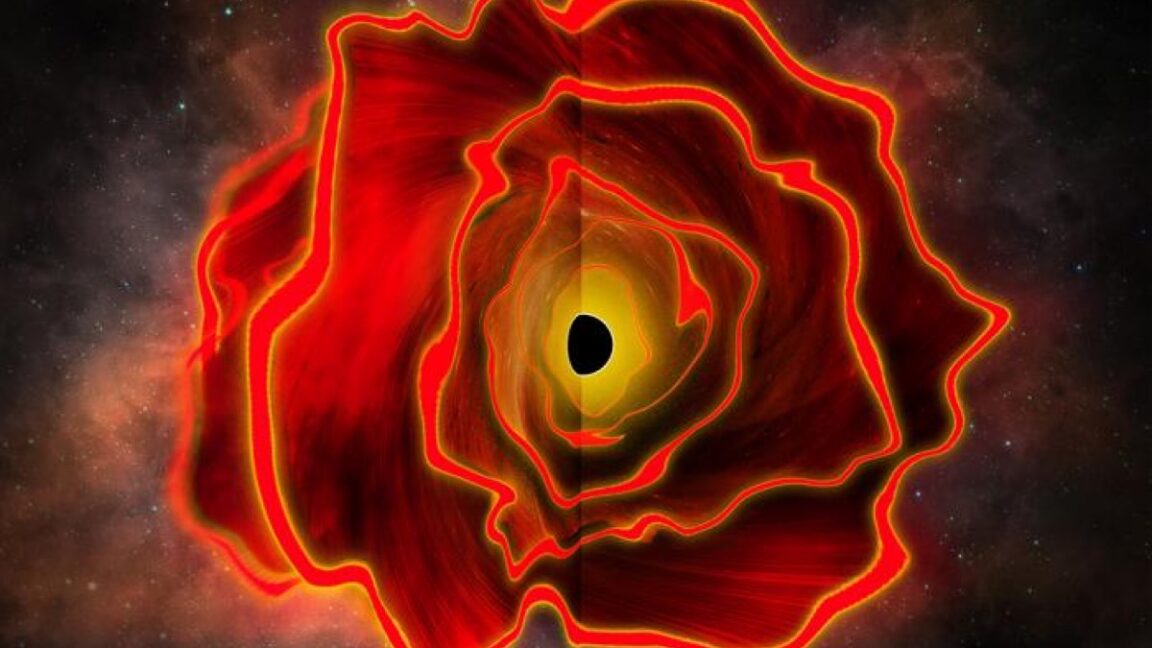
Astronomers analyzing James Webb Space Telescope data discovered an unusual red object designated MoM-BH*-1, which they determined is a 'black hole star'—a massive black hole (about 100 solar masses) surrounded by a dense hydrogen cocoon the size of our solar system. The object is about 100 billion times brighter than a star but does not match any known astrophysical object. Two additional black hole stars have since been identified. Separately, scientists at Southern Illinois University developed a process using genetically programmed yeast to convert polyethylene terephthalate (PET) plastic from beverage bottles into edible cookies called µBites through a proprietary process that relies on water and oxygen at high temperature and pressure to break down plastic bottles into tiny pieces, which microbes then transform into proteins, fats, and acids. Additionally, oceanographer John Spiesberger explained how whale calls connect to Einstein's special theory of relativity through temporal interference effects, and researchers demonstrated that avocado tree flowers switch sex during the day.
Context
The black hole star discovery is significant because these objects may help astronomers understand how supermassive black holes formed in the early universe, just a few hundred million years after the Big Bang. The plastic conversion technology addresses environmental pollution concerns by potentially upcycling PET waste into food products; researchers suggest such cookies could sustain astronauts on deep-space missions, submarines, or extraplanetary colonies. The team is working to improve palatability with commercial readiness anticipated within years. The whale call research demonstrates an unexpected physical principle at work in marine biology and tracking, while the avocado flower behavior reveals previously undocumented reproductive strategies in plants.