NASA ends Swift space telescope mission after failed orbital rescue attempt
The aging gamma-ray burst observatory, which has operated productively for over 20 years, will reenter Earth's atmosphere within weeks after a private spacecraft failed to boost its orbit.
What happened
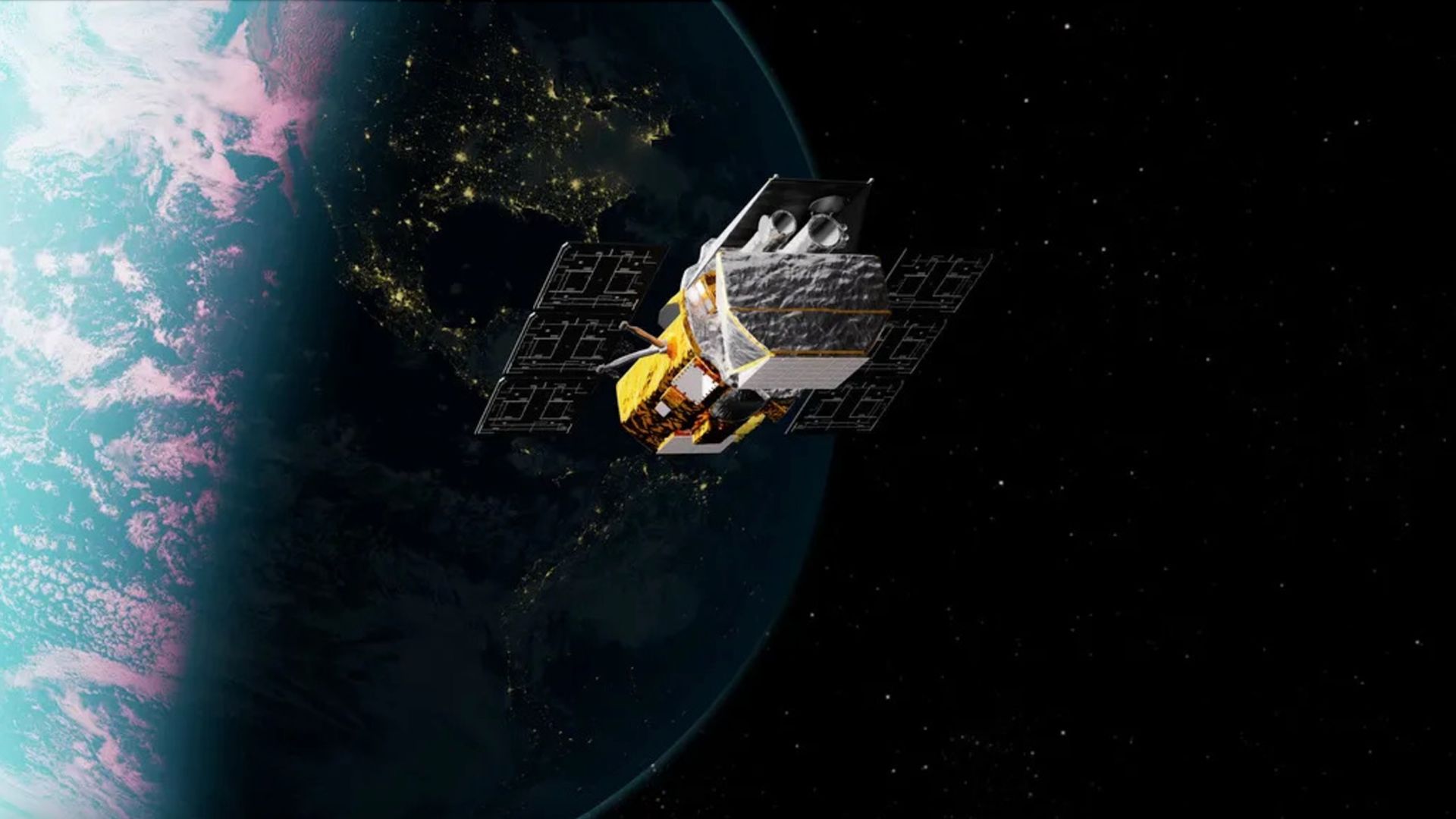
NASA officially ended the Swift space telescope mission on October 23, 2025, after a rescue effort by Arizona-based Katalyst Space Technologies failed. Katalyst's LINK spacecraft, launched July 3, 2025, was designed to rendezvous with Swift and use robotic arms to boost it to a higher orbit to counteract atmospheric drag. However, LINK encountered propulsion system and reaction wheel failures about three weeks after launch, causing it to spin unexpectedly and preventing the capture and boost attempt, though it did approach within 7.5 to 9.3 miles of Swift and photograph it before falling back to Earth on September 25. Swift gathered its last scientific data on October 20 and is expected to reenter Earth's atmosphere within weeks.
Context
Swift launched in November 2004 with a designed mission life of two years but operated productively for over two decades studying gamma-ray bursts and other high-energy phenomena, observing more than 2,000 GRBs and contributing to approximately 7,000 published scientific papers. The $30 million NASA contract to Katalyst represented an unprecedented attempt to service and extend the life of a satellite not designed for such operations, testing emerging U.S. spacecraft servicing technology under accelerated timelines. Swift's substantial scientific archive and ongoing relevance mean its data will continue supporting discoveries for decades beyond the mission's end, though the loss removes an operational instrument that had become central to rapid-response observations in astrophysics.