China's Galactic Energy Successfully Launches Reusable Pallas-1 Rocket on Maiden Flight
The Beijing-based company's new two-stage launcher reached orbit on August 31, marking its entry into combined solid-liquid propulsion and positioning it for the competitive Chinese commercial spaceflight market.
What happened
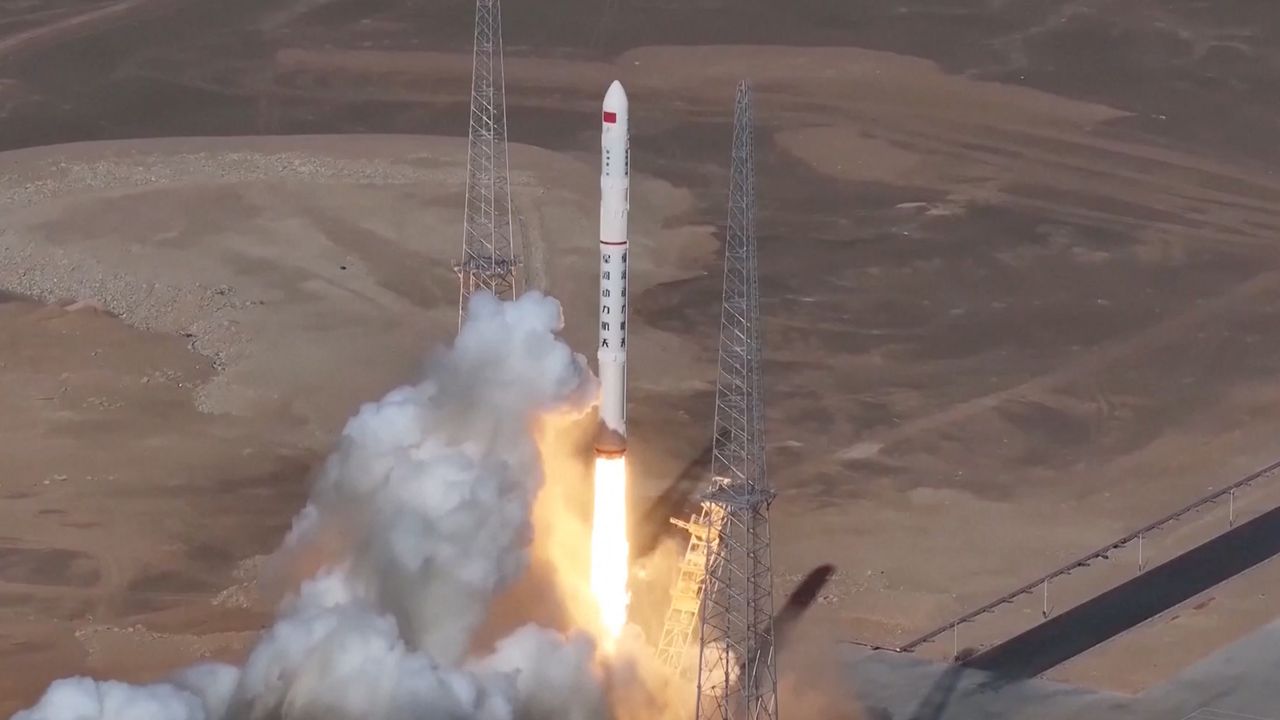
Galactic Energy's Pallas-1 rocket lifted off from Jiuquan Satellite Launch Center on August 31 at 10 p.m. EDT (10 a.m. Beijing time September 1) and successfully reached its predetermined orbit, according to the company. The 171-foot (52-meter) tall, two-stage launcher can carry approximately 15,400 pounds (7,000 kilograms) to low Earth orbit. The rocket features a reusable first stage designed for 25 flights, equipped with hypersonic grid fins and deployable landing legs similar to SpaceX's Falcon 9. No landing attempt occurred on the debut flight; the company targets the second half of 2027 for that milestone. Galactic Energy, which also operates the smaller Ceres-1 launcher with 23 flights completed, did not disclose what payloads, if any, Pallas-1 carried.
Context
Pallas-1 is intended as a core launcher for Galactic Energy's large-scale satellite constellation deployment services, with reusability central to that commercial strategy. China's private spaceflight sector is actively pursuing reusable rocket technology; two Chinese rockets have already achieved booster recovery during orbital missions—Long March 10B (state-owned, recovered via ship's net in July) and Zhuque-3 (developed by startup LandSpace, landed on legs in August). Multiple other Chinese companies including CAS Space, Deep Blue Aerospace, iSpace, Orienspace, and Space Pioneer are developing partially reusable rockets, indicating intense competition in the emerging Chinese commercial launch market.