Archaeologists uncover Roman military camp used to conquer Celtic Cantabri, with evidence of deliberate destruction
Excavations in northern Spain reveal a first-century B.C. Roman fortification positioned near an Iron Age settlement destroyed by fire, suggesting a coordinated campaign of military subjugation and cultural erasure.
What happened
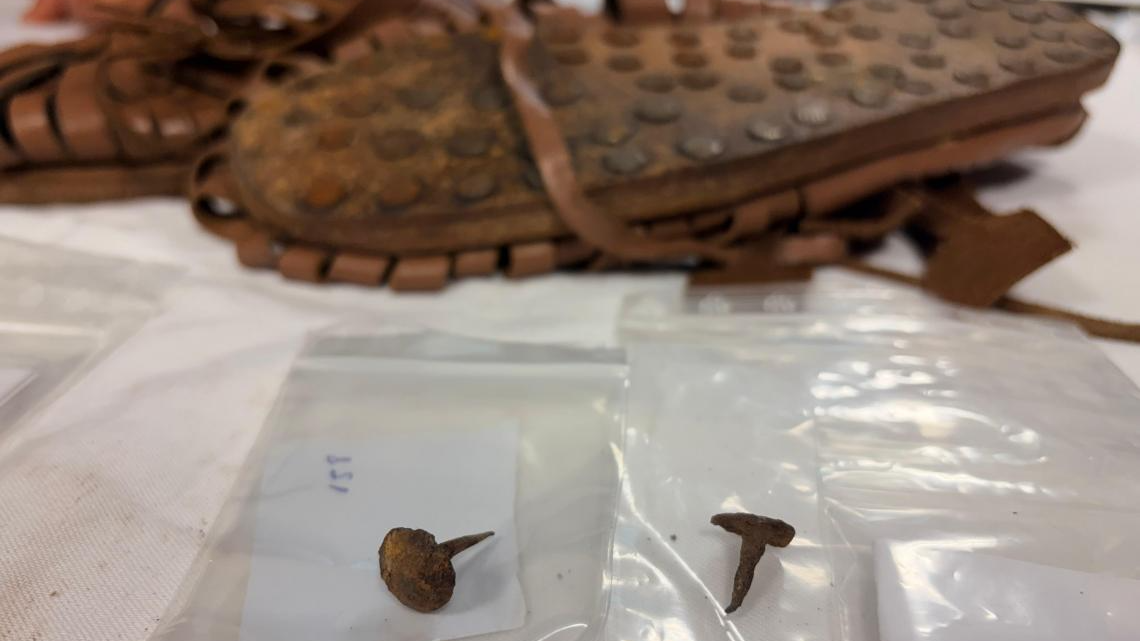
Archaeologists in Spain discovered a Roman military camp constructed during Emperor Augustus' Cantabrian Wars (first century B.C.), situated roughly 500 meters from an Iron Age settlement inhabited by the Cantabri, a group of Celtic tribes. The camp consists of an earthen platform 12 meters wide surrounded by a 1.5-meter-thick stone perimeter wall. Excavations yielded weapon fragments and hobnails (iron tacks from soldiers' sandals), confirming the camp's military purpose. The adjacent pre-Roman settlement shows evidence of a major fire that destroyed most structures, including two temples. Archaeologist Eduardo González Gómez de Agüero suggested the Romans deliberately set the fire as part of their conquest strategy, stating the goal was not merely defeating the enemy but "humiliating them, erasing their identity, and breaking their connection to the land." Researchers are still determining whether the settlement's destruction occurred in a single event or over time.
Context
The Cantabri fiercely resisted Roman rule for approximately a decade before being conquered in 19 B.C., ending local control and bringing the Iberian Peninsula under Roman imperial authority. A prior research team had identified 66 Roman camps in northern Spain, demonstrating the scale of Rome's military effort against the Cantabri. The new discovery helps establish the relationship between Roman military installations and the Iron Age communities they targeted, contributing to understanding of how Rome executed its territorial conquest in this region.
What's disputed
The exact chronology of the Romans' final attack on the Cantabri settlement and whether it was destroyed in a single event or progressively remain under investigation.