150-Year Mystery Solved: Medieval Abbot Identified in Recycled Roman Sarcophagus at Westminster Abbey
Analysis of skeletal remains discovered in 2016 has identified a medieval abbot, likely Ælfwig (r. 993–1020), buried in a fourth-century Roman coffin—an extremely rare reuse of ancient funerary stone.
What happened
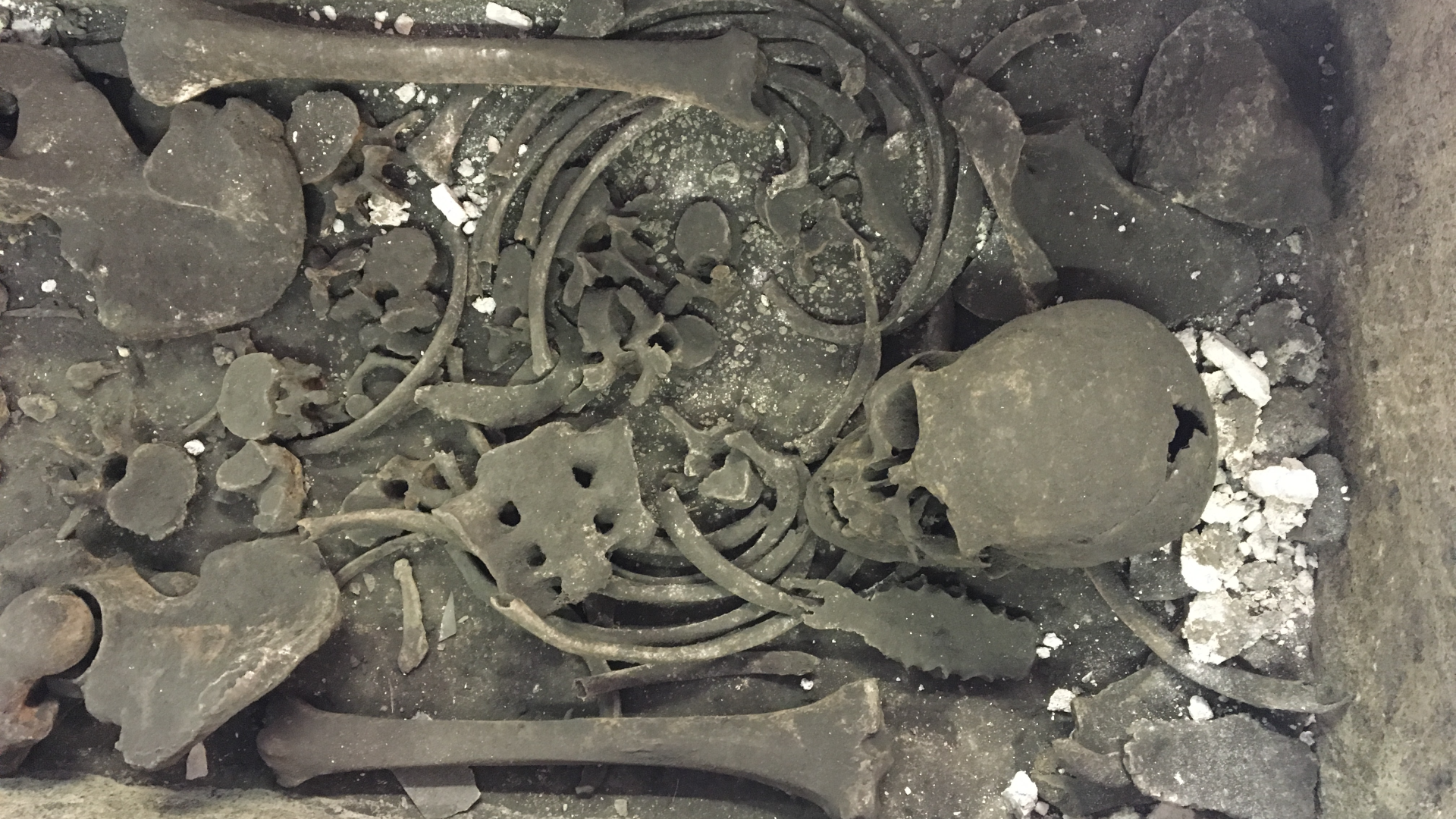
A stone sarcophagus unearthed at Westminster Abbey in 1869 bore conflicting markers: a fourth-century Roman funeral inscription on its base and an 11th-century Anglo-Saxon cross carved into its lid, creating a 150-year puzzle. When the coffin was opened for conservation in 2016, a complete skeleton was found inside, contrary to expert belief that the burial had been looted earlier that century. Bioarchaeological analysis determined the remains were of a male, middle-aged, of average height, with osteoarthritis, two healed rib injuries, and gout. Carbon dating placed the skeleton between 987 and 1052. Consulting archaeologist Warwick Rodwell narrowed identification to three abbots based on tenure dates and concluded the individual was almost certainly an abbot given the dignified stone burial with cross. Rodwell identified Ælfwig (abbot 993–1020) as a most likely occupant, noting that his status as a longtime Westminster monk favored his burial in the abbey.
Context
The reuse of Roman sarcophagi in the medieval period is extremely rare, and nothing comparable has been documented. The Roman sarcophagus itself was crafted from Oxfordshire limestone and bore the name Valerius Amandinus, described as an early Christian, suggesting the Roman coffin may have belonged to a significant figure in Roman London. The discovery resolves a longstanding gap in Westminster Abbey's archaeological record and raises questions about why medieval clergy chose to repurpose ancient Roman funerary stone rather than use contemporary materials. The identification illuminates burial practices and resource use at one of England's most important ecclesiastical institutions during the late Anglo-Saxon period.
What's disputed
The reasons for reusing a 600-year-old Roman sarcophagus remain unexplained. The original location of the Roman coffin is unknown, though it may have originated from a Roman villa cemetery near Westminster. Whether Ælfwig is definitively the occupant, while a most likely candidate, remains a working conclusion rather than absolute identification. The identity of the original Roman burial, Valerius Amandinus, and details of his career are unknown.