11th-century Russian wooden bread peel discovered with medieval game board carved on reverse
Archaeologists in Staraya Russa unearthed a preserved oak bread shovel with a merels game board etched into its back, suggesting medieval bakers may have entertained themselves while waiting for bread to bake.
What happened
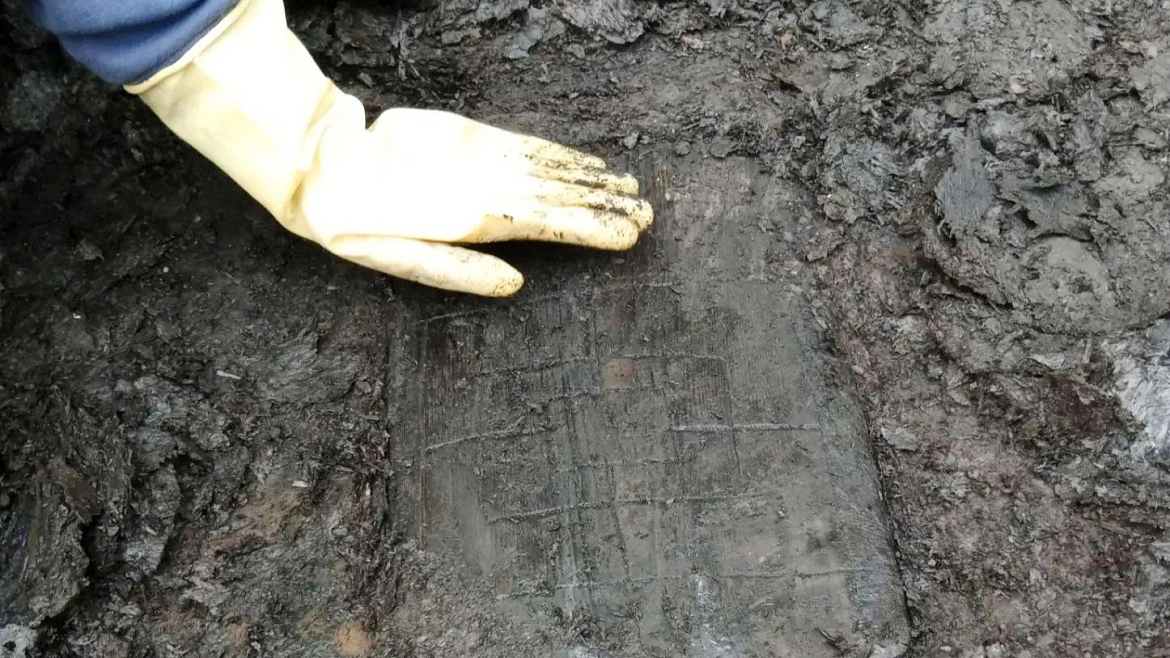
Archaeologists at Pyatnitsky in Staraya Russa, a medieval town between Moscow and St. Petersburg, discovered an 11th-century wooden bread peel measuring approximately 12 by 16 inches, likely made of oak. The flat paddle used to transfer bread into ovens bore three nested squares connected by horizontal and vertical lines carved into its reverse side — a board for the ancient game merels (also called nine-men's morris). Researchers are uncertain whether the peel served dual purposes simultaneously or was repurposed as a game board after becoming broken and unusable for baking.
Context
The discovery is exceptionally well-preserved; while merels boards and playing pieces have been found at ninth-century archaeological sites in the kingdom of the Rus', such a well-preserved dual-purpose object is described as practically unique. Merels was popular across Europe and Asia in the Middle Ages, likely because it requires minimal equipment and setup. The game may have roots in ancient Rome or even earlier, though its true origin is unknown. The find suggests how medieval craftspeople and workers used available flat surfaces and household objects to occupy idle time, transforming utilitarian kitchen tools into gaming implements.