CDC Excludes Two Measles Deaths from National Count After Challenge from Health Secretary Kennedy
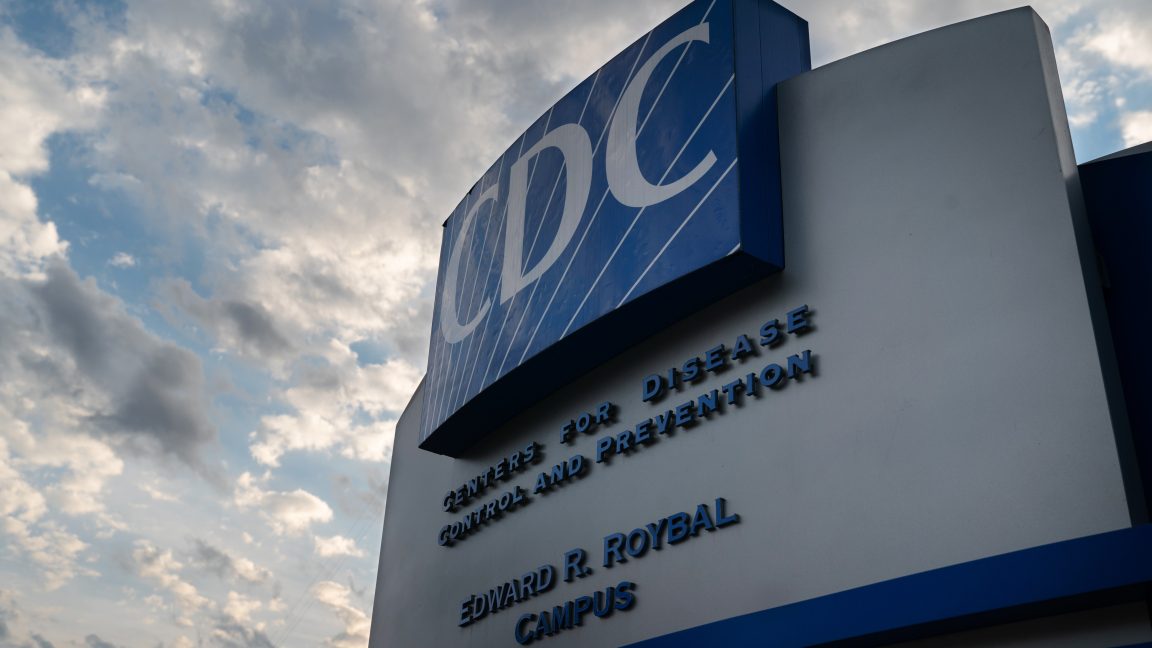
The CDC under new director Erica Schwartz has removed two measles deaths reported by Pennsylvania from its official tally, citing insufficient evidence of measles causation, marking what sources describe as an unprecedented break from precedent that leaves states as arbiters of death determinations.
What happened
On August 29-30, the CDC website listing measles deaths changed multiple times: first showing zero 2026 deaths, then two deaths, then removing them entirely with an asterisk referring to a statement saying available information does not establish whether measles caused or contributed to the deaths. New CDC director Erica Schwartz, less than a month into her role, reportedly ordered staff to add this unusual disclaimer. The two deaths—a newborn and a child, both unvaccinated from Lancaster County, Pennsylvania—were initially reported by state health officials on August 25 and announced publicly by Governor Josh Shapiro. The move follows public comments by Health Secretary Robert F. Kennedy Jr., who suggested without evidence that Pennsylvania may have fabricated the deaths and shared measles misinformation on social media.
Context
This action is described as challenging established practice: the move breaks precedent in that states are typically the arbiters of case and death determinations, not the CDC. The dispute centers on medical causation of the newborn's death. Lancaster County Coroner Stephen Diamantoni claimed a pathologist determined the baby died of a ruptured spleen unrelated to measles, though the infant was born infected with measles and showed evidence of measles infection in lung tissue. The baby's parents, who are Amish, believed without question their child died of measles after the mother became severely ill from the virus during labor. Pediatric infectious disease expert Paul Offit stated he has been briefed by state officials and concluded these patients would not have died without measles, and noted that ruptured spleens are extremely rare in newborns but can result from measles-caused spleen enlargement. Far less public information exists about the second death, which the coroner said he is still investigating. The CDC and Pennsylvania dispute the sequence of information-sharing, with the state claiming it reported deaths to CDC on August 25 and met with officials on August 26, while the CDC claimed the governor's office declined to provide relevant information.
What's disputed
Whether measles caused or contributed to the newborn's death, given the ruptured spleen finding and absence of documented spleen enlargement in the pathology report; whether the state adequately shared information with CDC prior to the public announcement; the medical significance of a ruptured spleen in the context of measles infection and pregnancy complications.