Trump Justice Department Breaks with Decades of Practice on Election-Season Enforcement
The department has aggressively pursued voter fraud cases, raided a Democratic congresswoman's home, and pressured states to purge voters in the final weeks before midterm elections, departing from longstanding norms designed to prevent political interference.
What happened
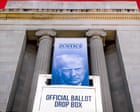
In the weeks before the midterm elections, the Trump Justice Department has undertaken multiple enforcement actions typically avoided during election season: federal agents raided the DC home of Minnesota Representative Ilhan Omar as part of an immigration fraud investigation; the department announced criminal charges against noncitizens for voter fraud, releasing press materials with arrest photos; the FBI published a video criticizing Michigan Democratic senate candidate Abdul El-Sayed; and the Attorney General campaigned for Republican candidates. The department also gave California election officials 48 hours to investigate the citizenship of 20,000 voters on a USB drive with a handwritten password, then sued the state when officials declined to access the unsecured drive without methodology details. A Justice Department official stated there is no rule or policy barring enforcement actions close to elections, though the department manual contains provisions against taking investigative steps for the purpose of affecting elections, and an unwritten 60-day blackout practice has existed for decades.
Context
These actions represent a departure from longstanding Justice Department practice designed to protect election integrity by avoiding the appearance of political interference. Former Justice Department attorney Stacey Young noted the department historically conducted case-by-case analysis through public integrity experts, but this administration removed those experts and directed employees to political appointees loyal to the president. The 60-day informal blackout rule—which Todd Blanche, now leading the Justice Department, himself cited in September 2024 to argue against special counsel Jack Smith's actions in the Trump case—appears to have been abandoned. Noncitizen voting is described as extremely rare and often stems from confusion about eligibility rather than intentional fraud; court documents in many charged cases contain little detail about whether defendants knew they were ineligible. Multiple watchdog groups characterized these actions as violating norms and raising concerns about weaponization of federal law enforcement in electoral contests.
What's disputed
The Justice Department official asserted the 60-day rule is merely an informal practice with no binding force, while watchdog groups and former officials characterize it as an established norm essential to election integrity. The department characterized its voter fraud charges and citizenship investigations as routine law enforcement; critics contend they target rare violations and appear timed to influence elections.