Bird flu outbreak at Utah mink farm raises pandemic preparedness concerns
A two-month avian influenza outbreak at a Utah fur farm proceeded without culling or worker monitoring, prompting experts to criticize transparency gaps and reduced federal oversight.
What happened
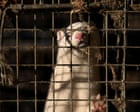
Bird flu spread for two months at a mink farm near Salt Lake City. State veterinarian Amanda Price sought USDA assistance but was told federal officials do not regulate mink or have an approved vaccine for them. The CDC spoke with Utah health department staff but did not communicate with Price. Despite international precedent and veterinary advice to cull the animals, the farm owners did not depopulate the mink, citing business concerns. Farm workers were not monitored for symptoms despite CDC guidance; ProPublica identified two workers, one with a red eye, which federal health guidance urges testing for. The farm owner stated the worker had dust in his eye and that state health officials did not recommend testing.
Context
Mink are highly susceptible to viruses that infect humans, and similar outbreaks in other countries have led to government-ordered culling. The risk is concentrated among farm workers with direct animal exposure. Expert concern centers on two scenarios: workers becoming infected and potentially dying, which could be preventable through vaccination protocols used elsewhere; and the theoretical risk that the virus could recombine with influenza viruses during flu season to become transmissible between humans. Infectious disease experts also cite reduced federal coordination and transparency compared to prior administrations—the Trump administration fired federal employees responding to bird flu in dairy cattle, and regular expert briefing calls have stopped—as hampering situational awareness and oversight of farm-level outbreaks.
What's disputed
The farm owner disputes that the worker's red eye warrants testing, attributing it to dust; the state health department's position on testing recommendation is unreported. The USDA and state officials did not immediately respond to requests for comment.