Macy's 100th Thanksgiving Day Parade Marks a Century of Space-Themed Celebration
The parade, delayed to November 28 due to weather, will feature a returning rocket as its primary space element, capping a tradition that has integrated spaceflight themes since before the first orbital flights.
What happened
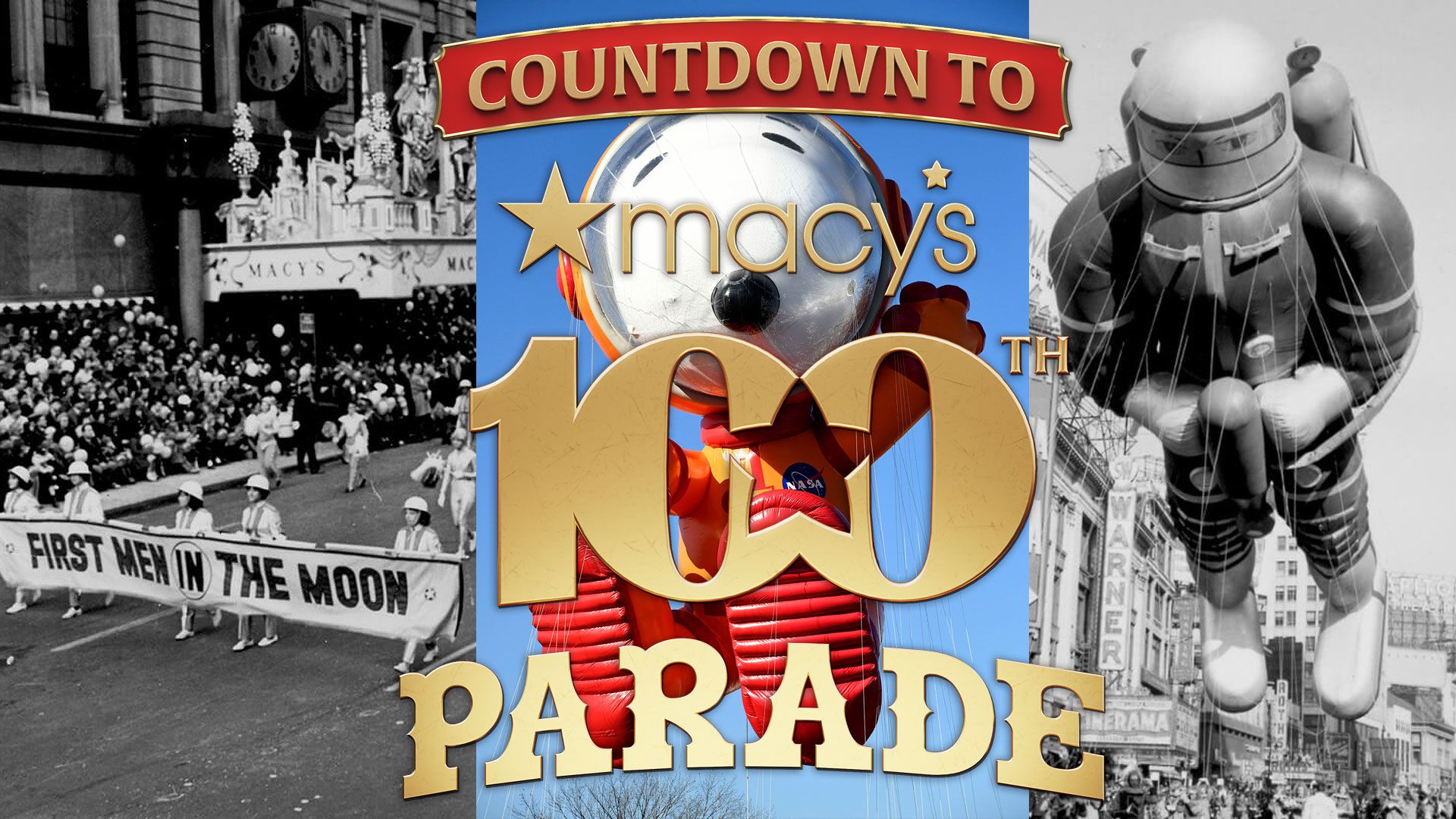
The 100th Macy's Thanksgiving Day Parade will air on November 28 (postponed two days from November 26 due to bad weather) with limited space-themed content—primarily a returning rocket float. The parade has maintained a long history of celebrating space exploration since its founding in 1924, with space themes integrated into its displays even before the first rocket flew beyond Earth's atmosphere. The parade was interrupted only by a three-year break during World War II. Notable space-themed attractions have included the 70-foot helium "Giant Spaceman" balloon that debuted in 1952 and was retired after its seventh appearance in 1959. Lunar-landscape floats based on the 1964 film "The First Men on the Moon" appeared in the 38th parade. Astronaut Snoopy balloons debuted in 1969 and appeared annually through 1977, with a new version debuting in 2019 for a four-year run. Shuttle veterans Kay Hire and Janet Kavandi appeared with space-themed elements in the 2019 parade, and in that same year, International Space Station astronauts Jessica Meir and Christina Koch appeared in a pre-recorded video promoting NASA's Artemis program.
Context
The Macy's parade's space-themed legacy spans the entire Space Age and predates it, with the earliest space-themed feature—a "Space Ship" float—first appearing in the 19th procession in 1945, nine years before Yuri Gagarin's spaceflight and before the Soviet Union launched Sputnik. The tradition reflects how space exploration has captured public imagination across generations, with the parade serving as a cultural marker of evolving American interests in spaceflight—from early science fiction concepts to real NASA missions and contemporary lunar and Mars exploration objectives. The integration of real astronauts alongside fictional space characters suggests the parade functions as a platform for celebrating both the aspirations and achievements of spaceflight to a broad national audience during a holiday tradition that reaches millions.