Orionid Meteor Shower Peaks October 21-22 with 10-20 Shooting Stars Per Hour
Earth passes through debris from Halley's Comet, creating an annual display best viewed after the waning moon sets.
What happened
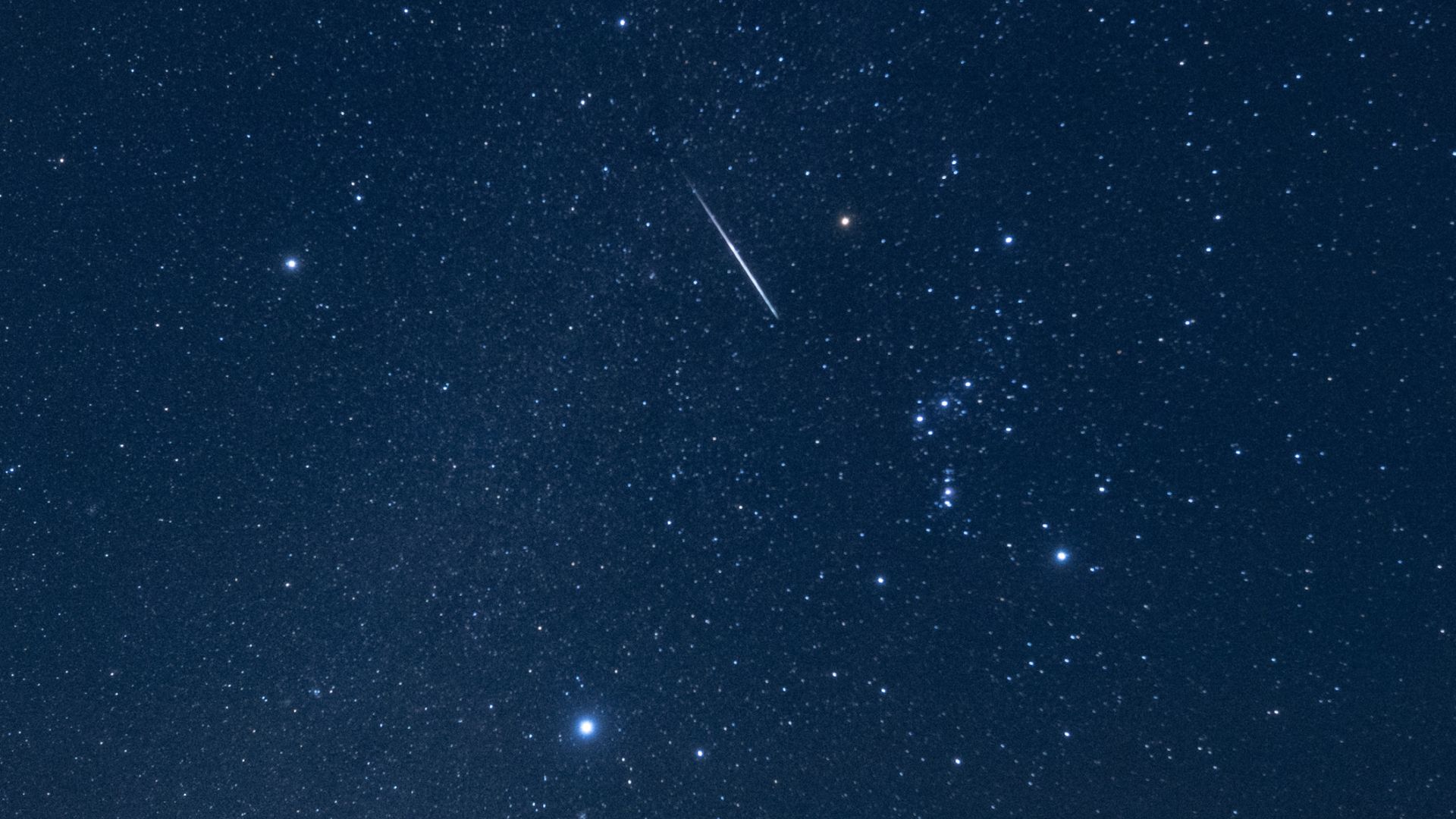
The Orionid meteor shower will peak overnight on October 21-22, with optimal viewing occurring between midnight and dawn on October 22. Observers in ideal dark-sky conditions may see 10-20 shooting stars per hour during this window. The meteors will appear to radiate from a point near the red giant star Betelgeuse in the constellation Orion, located above the southeastern horizon for U.S. stargazers. A 74%-lit waxing gibbous moon will obscure fainter meteors early in the night, but the moon will set a few hours after midnight, providing dark skies before dawn. Meteors result from Earth passing through the debris trail left by Comet 1P/Halley, with particles colliding with the atmosphere at 147,600 miles per hour and vaporizing.
Context
The Orionid shower occurs annually as Earth transits the stream of ancient cometary material from Halley's Comet, last observed by spacecraft during its 1986 passage through the inner solar system. For optimal viewing, observers should position themselves 40-90 degrees away from the radiant point to see the longest meteor trails, move away from artificial light pollution, and allow 20-30 minutes for their eyes to adapt to darkness. The lunar interference creates a time-dependent viewing scenario in which early evening observations will be hampered but pre-dawn hours offer the best conditions.