NASA's Swift Observatory Restarts Science After Failed Orbital Rescue Mission
The 22-year-old space telescope has resumed observations with two of three instruments after an attempted robotic rescue failed, but faces likely atmospheric reentry within months.
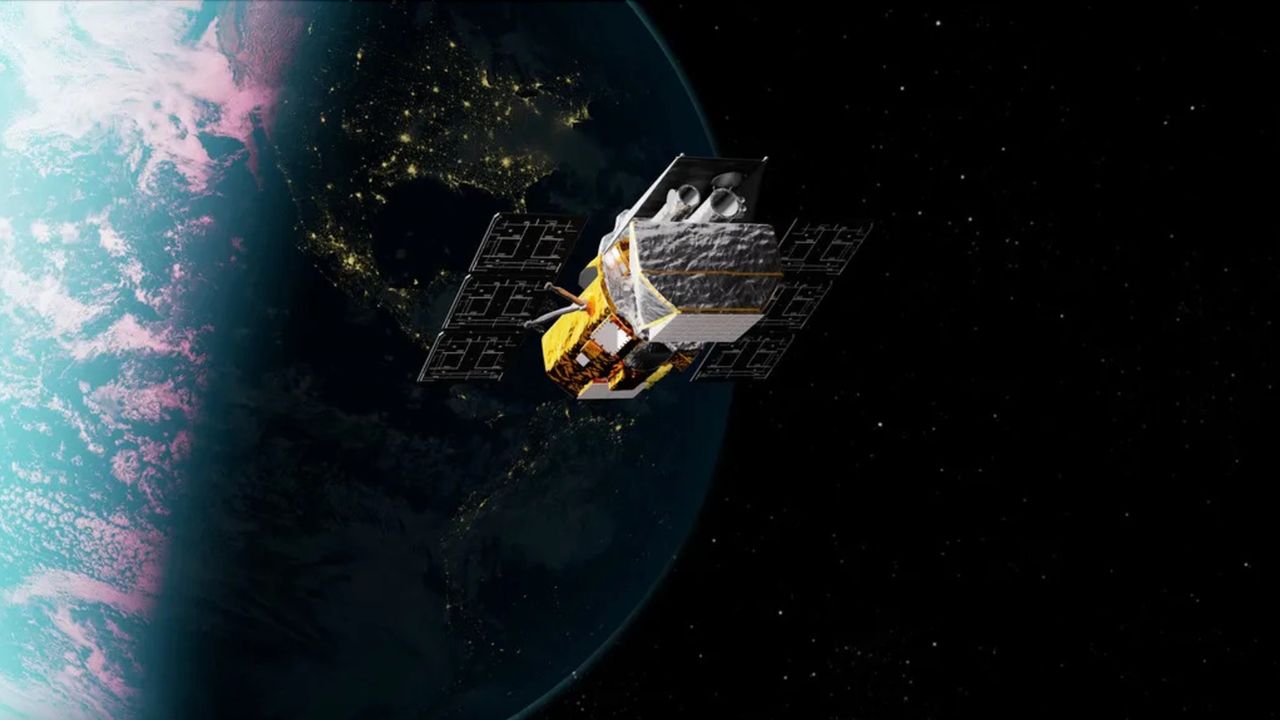
What happened
NASA restarted two of Swift's three science instruments—the X-ray Telescope and Ultraviolet/Optical Telescope—on August 26, 2025, after months in a low-drag configuration. The restart followed the failure of a rescue mission by LINK, a robotic servicing spacecraft launched July 3 to rendezvous with and boost Swift to a higher orbit. LINK experienced attitude-control problems in late July, losing two of three reaction wheels and suffering thruster dysfunction; NASA and Katalyst announced August 19 that LINK would no longer attempt to capture and boost Swift, instead performing only proximity operations to demonstrate future satellite-servicing technologies. Swift's third instrument, the Burst Alert Telescope, remains offline. NASA expects Swift to reach below the critical operational altitude of 185 miles within one to two months and is likely to crash back to Earth later this year, mostly burning up as it reenters the atmosphere.
Context
Swift has operated for nearly 22 years beyond its original two-year design life, serving as a rapid-response observatory for gamma-ray bursts and other transient cosmic events while coordinating observations with other facilities. The spacecraft has no propulsion system to counteract atmospheric drag, and increased solar activity has expanded Earth's upper atmosphere faster than anticipated, accelerating orbital decay. The failed LINK rescue represents the only planned intervention to extend Swift's mission; without it, the observatory faces the end of operations within months. Resuming science operations allows the mission to continue collecting data during its remaining lifespan.