Study reveals ancient Indigenous people at White Sands endured rapid climate change 23,000 years ago
Analysis of pollen and organic molecules shows humans occupied New Mexico's White Sands through significant environmental shifts during the Last Glacial Maximum.
What happened
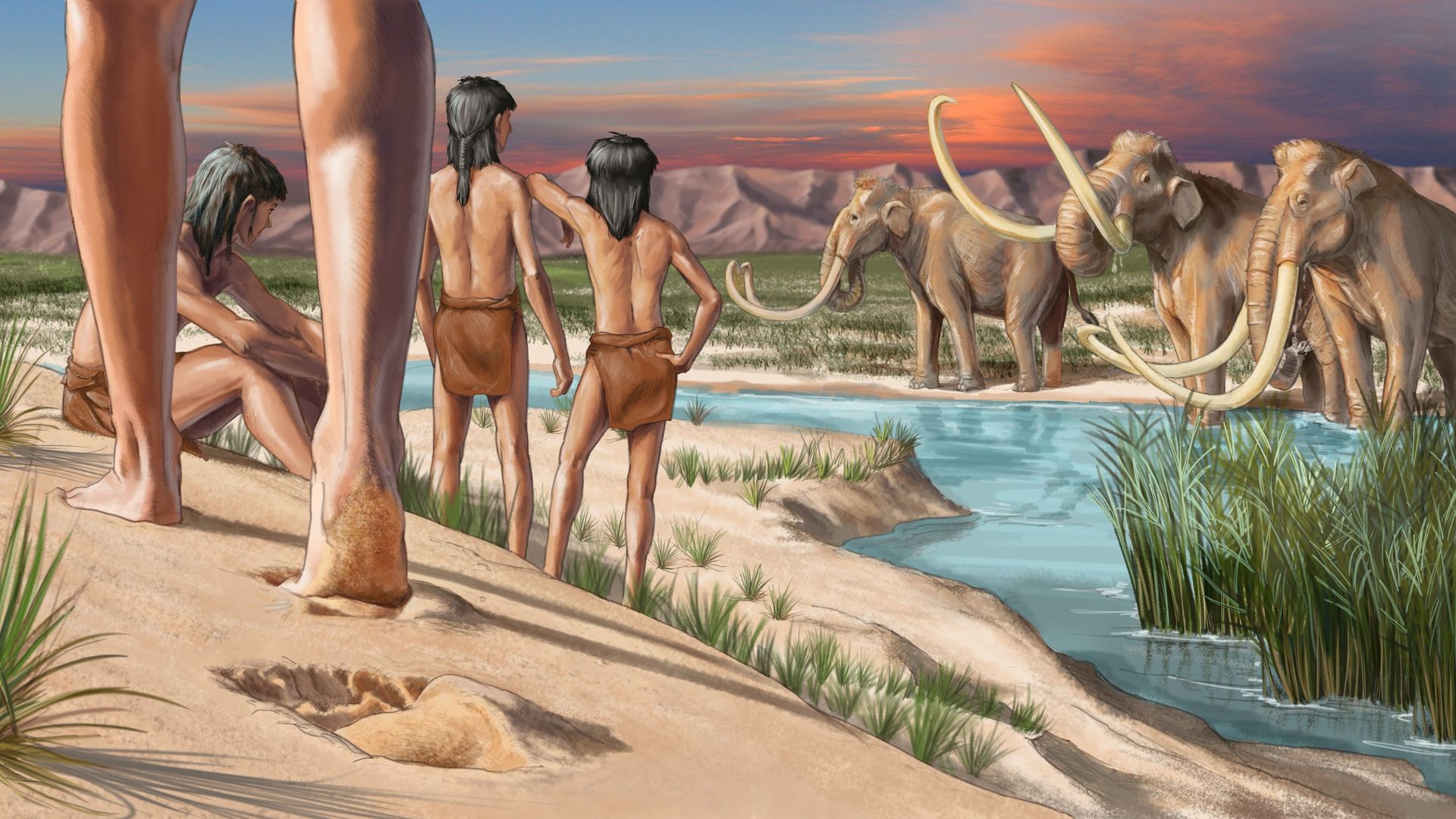
Researchers studying ancient pollen and organic material in rocks at White Sands National Park in New Mexico documented the climate conditions experienced by early humans around 23,000 years ago during the Last Glacial Maximum. The analysis revealed that around 24,200 years ago, White Sands had a large lake surrounded by conifer forests, then over the next two millennia temperatures rose, the lake shrank, and conifers were replaced by oak and sagebrush. Footprints found at the site—dated to 21,000 to 23,000 years ago and considered among the oldest human footprints in the Americas—show that people continued to occupy the area throughout these environmental changes. The findings, published in Science Advances, indicate that humans witnessed dramatic landscape transformation within individual human lifetimes.
Context
This research challenges the long-held scientific assumption that humans arrived in North America only around 13,000 years ago, suggesting instead that people from Asia reached the Americas via the Bering Strait region much earlier. The persistence of human occupation through rapid climate shifts demonstrates early Indigenous people's adaptive capacity to environmental change. The footprints document evidence of human-animal coexistence with ice age megafauna like mammoths and ground sloths, and researchers have also discovered sled-like drag marks suggesting the use of travois for transporting goods. The shrinking lake may have concentrated resources, potentially explaining why people returned to the site repeatedly across millennia.
What's disputed
The age of the White Sands footprints remains contested within the scientific community; while some researchers support the 21,000 to 23,000 year dating, others have disputed the methods used to date them.