Las Vegas jury convicts Duane 'Keffe D' Davis of Tupac Shakur's 1996 murder
After 30 years, a jury found the former Compton Crips gang leader guilty of orchestrating the drive-by shooting that killed the rapper at age 25.
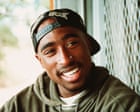
What happened
A Las Vegas jury convicted Duane 'Keffe D' Davis, 63, of murder for his role in the September 1996 drive-by shooting of Tupac Shakur. Prosecutors argued Davis was the 'on-the-ground, on-site commander' of the operation, motivated by revenge after Shakur fought Davis's nephew, Orlando 'Baby Lane' Anderson. As they waited at a red light, a Cadillac pulled up next to Shakur's vehicle and shot him multiple times. Shakur died days later, at age 25. The case remained unsolved for 30 years until Davis published a 2019 memoir describing his involvement, which prosecutors used as key evidence. Davis's defense argued the memoir was exaggerated for personal gain and that authorities lacked credible evidence. Sentencing is scheduled for October 13.
Context
Shakur's 1996 killing, occurring at the peak of his career following the success of 'All Eyez on Me,' remained one of hip-hop's most high-profile unsolved murders. The case was widely attributed to the east coast-west coast hip-hop rivalry, fueled by Shakur's feud with Notorious B.I.G., who was killed less than six months later. The unsolved nature of both deaths spawned decades of conspiracy theories, books, and documentaries. Davis was the only living witness from the shooting vehicle, and while initially questioned about B.I.G.'s murder, was ruled out as a suspect in that case. The conviction provides the first criminal accountability and official narrative for a killing that shaped hip-hop culture and became the subject of significant public speculation for three decades.
What's disputed
Defense argued Davis's 2019 memoir account was exaggerated and fabricated to place him 'at the center' for personal gain; prosecutors presented it as confessional evidence of his role. The memoir itself describes Tupac as reaching for a gun, while prosecutors characterized Davis as the commander orchestrating the attack. Defense contended authorities lacked sufficient evidence and that Davis's statements lacked credibility.