USDA-Led Research Finds Omega-3 Levels in Farmed Salmon Have Declined Significantly
New findings suggest farmed salmon contains fewer heart-healthy fatty acids than when government dietary guidelines were established, potentially outdating federal nutrition recommendations.
What happened
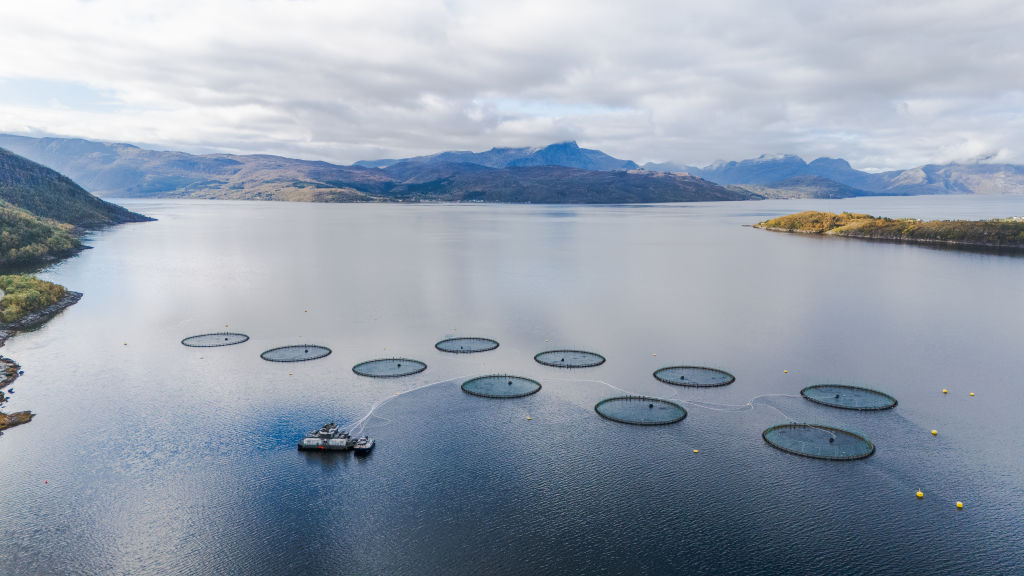
A USDA-led research team has found that levels of Omega-3 fatty acids in farmed salmon have dropped considerably compared to historical levels. The decline is attributed to a major shift in farmed salmon diets away from smaller fish species toward land-based oils and crops including soy and canola. The researchers note their sample size was insufficient to warrant changing government dietary guidance, though the findings suggest current recommendations may be outdated. A 2016 study documented similar declines with the same dietary shift as the cause.
Context
Nearly 70 percent of salmon consumed globally is farmed. Government agencies including the USDA and American Heart Association recommend eating salmon and similar fish for their Omega-3 content, with USDA guidance recommending at least 8 ounces of fish weekly. If farmed salmon now contains significantly less of these nutrients than when recommendations were established, consumers following official dietary guidance may be receiving less Omega-3 benefit than expected. The shift toward crop-based diets in salmon farming reflects the historical overexploitation of smaller fish species used as feed. The USDA declined to comment on whether its guidelines would be updated.
What's disputed
The researchers themselves note their sample size was not large enough to definitively warrant changing government advice, calling for a broader and more representative study.