Mike Rogers campaign spent over $100K on private jets and luxury travel in latest quarter
The Republican Senate candidate in Michigan deployed campaign funds heavily on chartered flights, luxury hotels, and high-end car services while his Democratic opponent used commercial airlines and standard travel options.
What happened
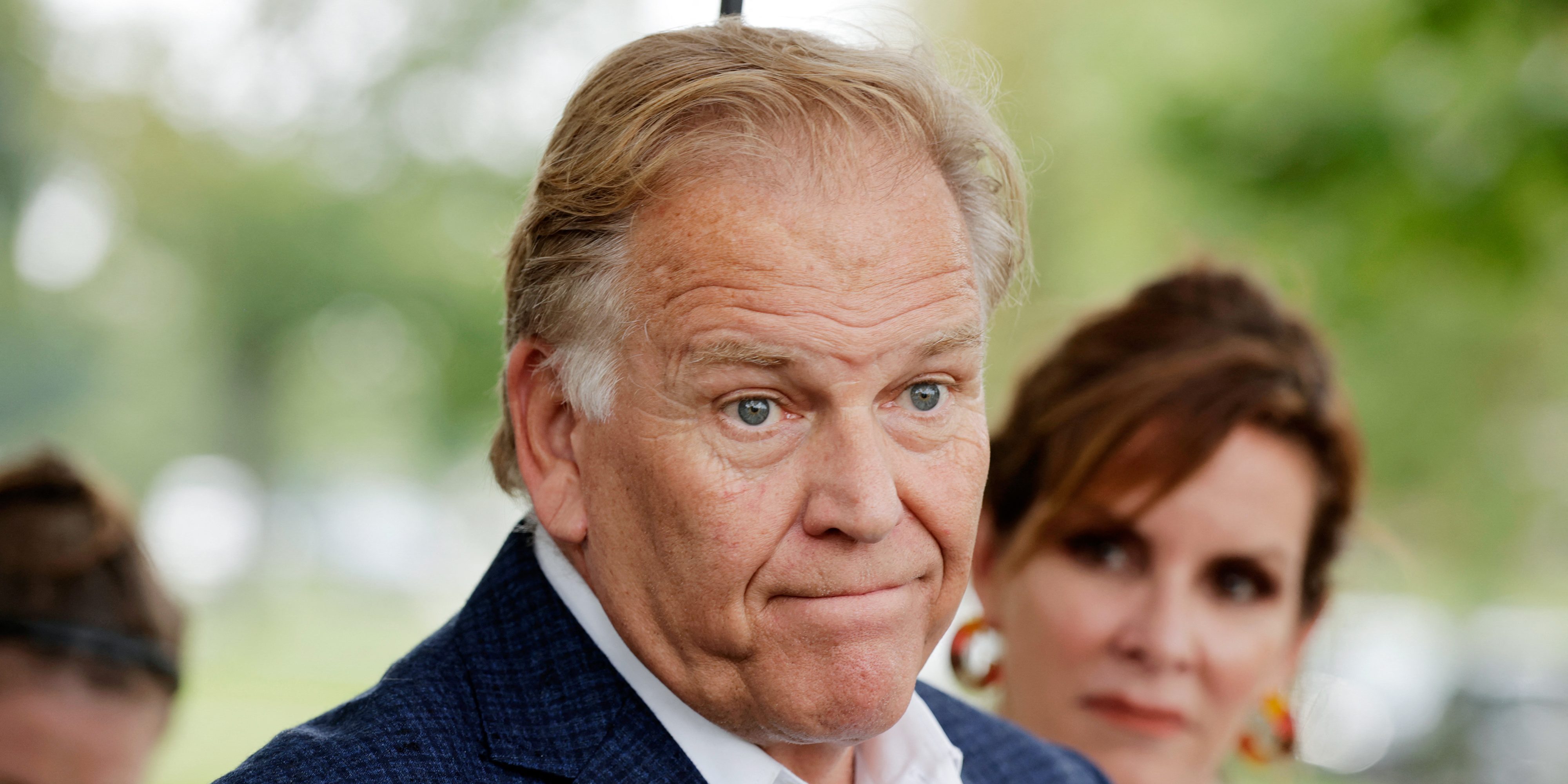
According to campaign finance records reviewed by The Intercept, Mike Rogers's Senate campaign spent more than $100,000 on luxury travel in the third quarter, including over $40,000 for a single private jet bill and $93,152 to JL Jets for at least five charter flights in September alone. The campaign paid $4,527 to Blacklane for luxury car services from July to September, including a $2,078 chauffeur expense on August 17, $683 on a pair of limo rides in August and September, and $500 on luxury chauffeur services in September. The campaign spent on stays at high-end hotels including $2,000 at The Breakers in Palm Beach, Florida, $1,295 at Grand Traverse Resort and Spa in Michigan, and $200 at the five-star Palazzo at The Venetian Resort in Las Vegas. By contrast, Democratic opponent Abdul El-Sayed's campaign spent roughly $330,000 on travel last quarter but allocated those funds to commercial flights on Delta and American airlines, Hertz rentals, gas, Uber and Lyft rides, and hotels.
Context
This spending discrepancy emerges as a central point of contrast in the Michigan Senate race during a period when economic pressures weigh heavily on voters. Rogers has been attacked by El-Sayed for ties to corporate donors and billionaires, including backing from Apollo Global Management CEO Marc Rowan, the DeVos family, and over $6 million from Elon Musk's super PAC. The spending pattern also reflects different campaign intensity: El-Sayed conducted over 500 events during a competitive Democratic primary against Rep. Haley Stevens, while Rogers, as the presumed Republican nominee, maintained a more relaxed schedule into the general election. Experts note that such luxury spending by a candidate can signal to voters whether a potential senator understands working-class concerns. Rogers's voting record includes advocacy for allowing lawmakers to receive gifts and benefits from nonprofit groups and his role in defeating a 2006 bill to crack down on former members' lobbying activities, suggesting a long-standing alignment with corporate interests.
What's disputed
The Rogers campaign countered by citing El-Sayed's $90,000 in campaign self-reimbursements and noting that El-Sayed's father-in-law, identified as a senior advisor of CAIR, contributed $300,000 to a super PAC backing the campaign. Campaign finance rules permit travel and vehicle spending if used strictly for campaign purposes, though mixed personal and campaign use requires reimbursement within 30 days; it remains unclear whether any of Rogers's spending falls into that category.