Lindsay Clancy murder trial ends in mistrial; retrial possible after jury deadlock
A Massachusetts jury failed to reach unanimous verdict on whether the former nurse who killed her three children in January 2023 acted with criminal intent, leaving the case unresolved after five weeks of testimony.
What happened
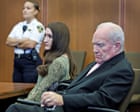
Lindsay Clancy's trial ended in mistrial on Friday after jurors deliberated for over 30 hours across six days without reaching a unanimous verdict. The jury foreperson noted in a message to the judge that a single male juror had expressed reasonable doubt but would not follow the law. The judge declined a defense petition to replace the holdout juror, forcing declaration of mistrial. Clancy, 36, admitted killing her five-year-old daughter Cora, three-year-old son Dawson, and eight-month-old son Callan on January 24, 2023, then attempted suicide by cutting her wrists and jumping from a window. She pleaded not guilty, with her defense claiming postpartum psychosis and overmedication while prosecutors argued she knew her actions were wrong.
Context
The mistrial leaves the case at the same legal position as its start: no determination of Clancy's criminal responsibility. Plymouth County District Attorney Tim Cruz must now decide whether to pursue a second trial. A status hearing is scheduled for September 29 to potentially set a new trial date. Defense attorney Kevin Reddington has indicated he will file a motion for directed acquittal and did not rule out a plea deal. The case hinges on whether Clancy could conform her conduct to the law given her mental state—a particularly complex legal question under Massachusetts law, according to the victims' rights attorney cited. The jury heard conflicting expert testimony: a forensic psychiatrist testified Clancy experienced psychosis and command hallucinations, while another testified she suffered from depression but retained the ability to know right from wrong. Eleven of twelve jurors reportedly believed Clancy lacked criminal intent, according to a victims' rights advocate.
What's disputed
Whether Clancy experienced postpartum psychosis that prevented her from conforming her conduct to the law (defense position supported by testimony from forensic psychiatrist Phillip Resnick) versus whether she suffered from depression while retaining the ability to distinguish right from wrong (prosecution position supported by testimony from forensic psychiatrist Avram Mack).