U.S.-Israeli Military Operations in Iran Documented as Causing Widespread Environmental Damage
Attacks on oil infrastructure, military facilities, and civilian infrastructure have triggered hundreds of environmental incidents across the region, with lasting health consequences for populations.
What happened
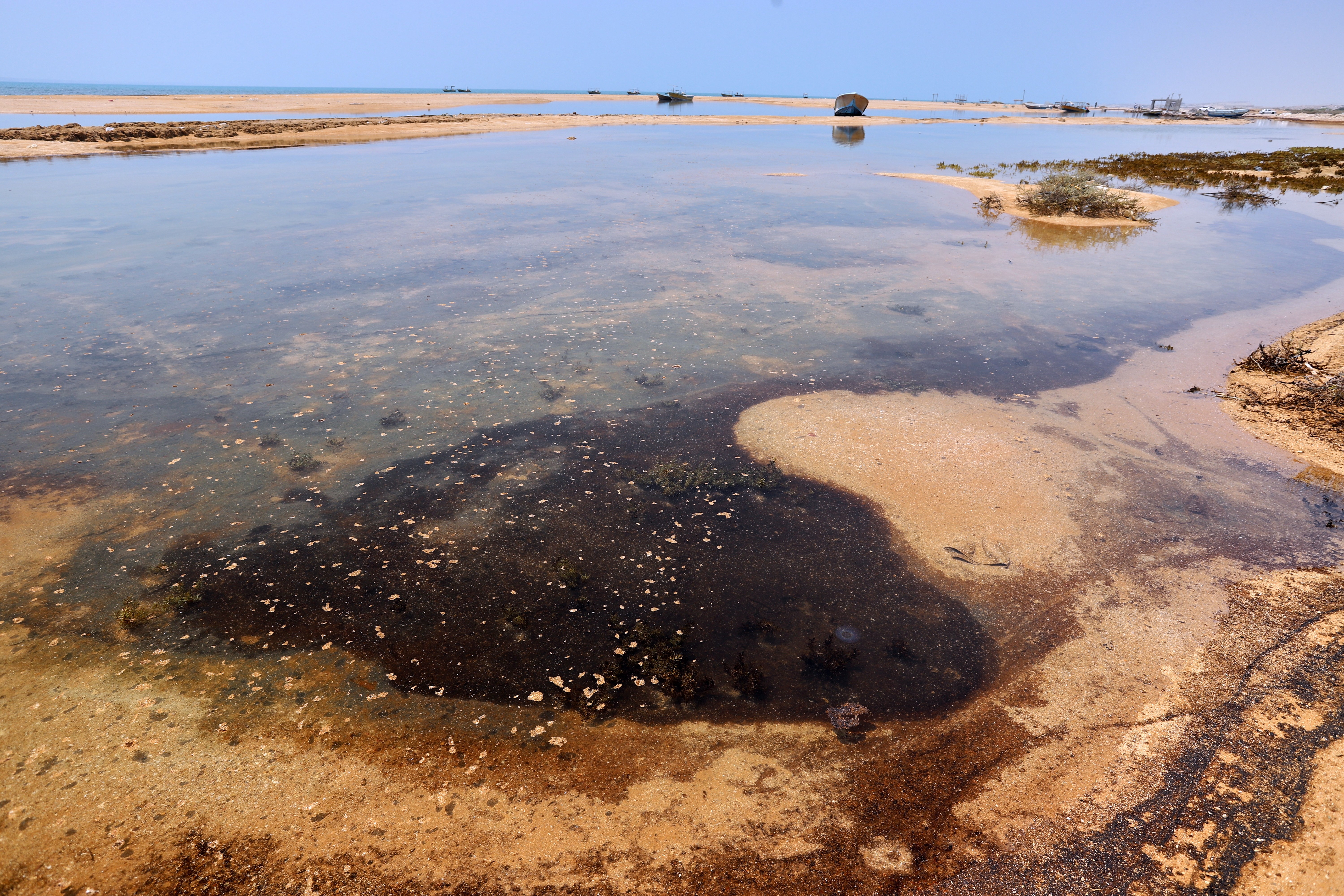
Iran's Foreign Ministry spokesperson Esmaeil Baqaei cited oil contamination washing ashore on Iranian coasts as evidence of environmental damage from the U.S.-Israeli conflict that began in February. The Conflict and Environment Observatory documented over 300 incidents of potential environmental harm across 12 regional countries by March. Israeli strikes on more than two dozen Iranian oil depots in early March engulfed Tehran in a cloud of toxic smoke that rained black carbon and sulfuric acid on the city's 9 million residents. Attacks on oil tankers have spilled fuel into waterways from Egypt to Sri Lanka. Research by the Climate and Community Institute calculated that U.S. and Israeli attacks in the conflict's first 14 days emitted roughly 5 million metric cubic tons of greenhouse gases—equivalent to Iceland's annual emissions.
Context
The targeting of oil infrastructure, desalination plants, weapons facilities, and nuclear sites poses multiple environmental threats: damaged desalination plants endanger water supplies and release harmful chemicals; bombed infrastructure spreads asbestos-contaminated debris raising respiratory and cancer risks; damaged weapons facilities pollute areas with explosives and heavy metals; nuclear facility strikes risk radiation exposure or meltdown. U.S. military history shows similar environmental legacies—Agent Orange in Southeast Asia, oil depot fires during the 1991 Gulf War, and burn pits in post-9/11 conflicts—have caused long-term health problems among both troops and local populations. Fallujah, Iraq has seen a 12-fold increase in childhood cancer rates since 2004 with elevated miscarriage and birth defect rates, suggesting similar long-term health consequences may affect Iranian populations. A satellite data blackout imposed at U.S. government request has hindered documentation of the full extent of damage.