Soviet Union Launches Final Zond Moon Mission
On October 20, 1970, the Soviet Union launched Zond 8, the last spacecraft in its Zond program designed to test crewed lunar missions.
What happened
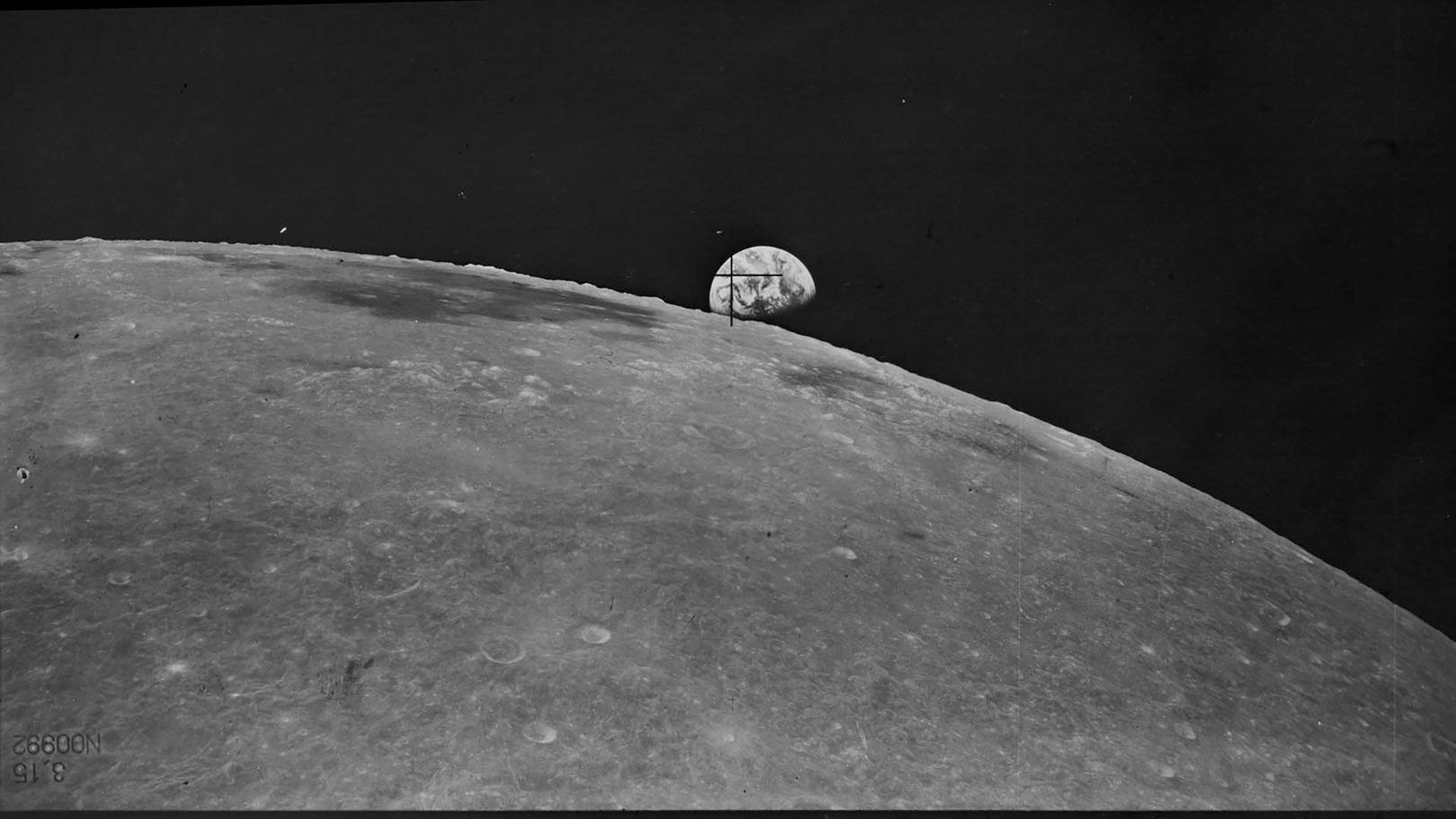
Zond 8 launched on October 20, 1970, as an uncrewed circumlunar mission that looped around the moon, approaching within 1,120 kilometers of the lunar surface at its closest point. Though a solar attitude sensor failed during reentry, causing a steeper descent path, the spacecraft returned safely and splashed down in the Indian Ocean on October 27, 1970, where it was retrieved by a recovery ship. The spacecraft captured photographs of Earth and the moon together, similar to iconic images from Apollo 8 in 1968.
Context
Zond 8 was a test flight for the Soviet L1 spacecraft, designed to carry cosmonauts around the moon as part of the Soviet lunar program. By the time of this launch, the space race for crewed lunar landings had already been won by the United States: Apollo 11 and Apollo 12 had landed astronauts on the moon in July and November 1969, respectively, and Apollo 13's crew had been rescued in April 1970. The Zond program suffered from numerous technical problems throughout its missions, and the Soviet Union ultimately abandoned its crewed moon landing efforts. Following this mission, the Soviet space program shifted focus to space station development, leading to the Salyut stations and eventually Mir.