Orionid Meteor Shower Peaks October 21-22, 2026 With Favorable Viewing Conditions
The annual Orionids, debris from Halley's Comet, will reach peak activity this week with dark skies and up to 15-20 meteors per hour visible before dawn.
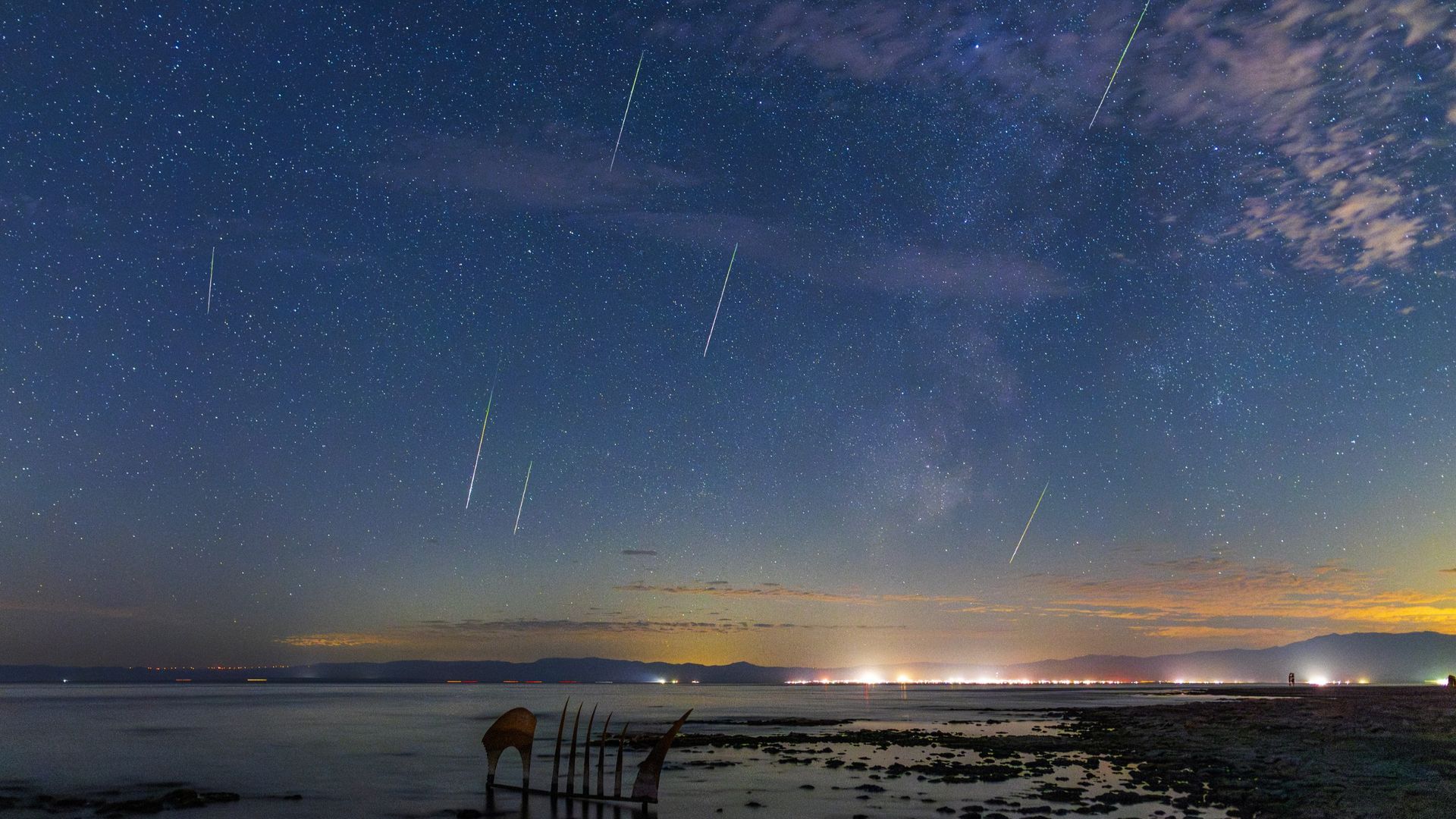
What happened
The Orionid meteor shower peaks around October 21-22, 2026. Observers should watch between approximately 2 a.m. and 5 a.m. local daylight time, when the radiant point in Orion is well above the horizon. A waxing gibbous moon will set shortly after 2 a.m., providing roughly 3.5 hours of dark sky before dawn—favorable conditions since a full moon arrives October 25-26. Peak rates should reach 15 to 20 meteors per hour, though the Orionids tend to be faint and are best viewed from dark rural locations away from city lights. About half of Orionid meteors produce glowing trails that linger longer than equally bright meteors.
Context
The Orionids are produced when Earth passes through debris left by Halley's Comet along its orbit. The meteoroids, composed of material sublimated from the comet's surface over thousands of passes by the sun, enter Earth's atmosphere at 41 miles per second and burn up at altitudes around 80 km, creating the visible streaks. Halley's Comet, formed 4.6 billion years ago alongside the solar system and preserved in deep freeze beyond the outer planets, orbits the sun every 75.4 years, last appearing in 1986 and next due to return in 2061. The Orionids are one of two meteor showers produced annually by Halley's debris; the Eta Aquarids occur in May. 2026 has been a favorable year for meteor viewing overall, with the Perseid shower in summer occurring near a new moon and solar eclipse, and the Geminid shower in December expected to peak when an early-setting waxing crescent moon provides dark skies.