NASA expands Deep Space Network with new 114-foot antenna as demand from Artemis and other missions strains capacity
A new radio dish came online at NASA's California complex in August, marking the fifth of six planned antennas under the Deep Space Network's Aperture Enhancement Project.
What happened
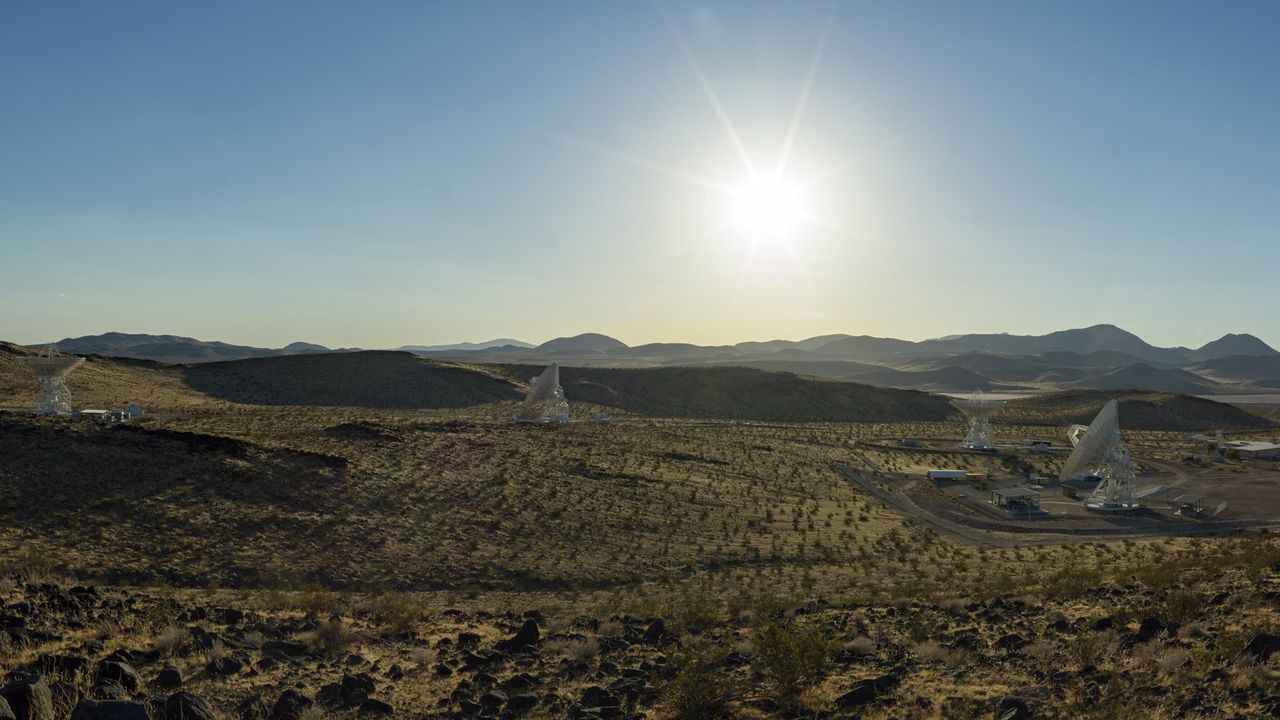
NASA activated a 114-foot (34-meter) radio antenna at its Goldstone, California complex on August 3, bringing it online to track the Chandra X-ray Observatory. The new antenna, designated DSS-23, is the fifth of six antennas planned under the Deep Space Network's Aperture Enhancement Project, which began in 2009. The sixth antenna, DSS-33, is expected to come online at the Canberra complex in 2029. The project has experienced significant cost overruns and schedule delays; a 2015 estimate of $362.4 million had risen to $706 million by fiscal year 2023, a 68% increase, with completion delayed nearly five years from original plans.
Context
The DSN, which has supported deep-space communications since 1963 across three complexes in California, Spain, and Australia, is struggling to meet mounting demand from over 40 active spacecraft in the solar system and interstellar space. The Artemis program's lunar missions—particularly the crewed Artemis 2 mission planned for 2026—are consuming disproportionate network capacity, as human spaceflight automatically takes priority over robotic missions. NASA managers warned as early as 2021 that capacity constraints mean missions should expect reduced availability, with the Artemis program described as an outsized burden on the network. The expansion project addresses structural demand but cannot fully resolve the competition for access that will intensify as NASA plans a permanent Moon Base in the 2030s and other space agencies increasingly use the DSN for their own spacecraft.