Tomb of ancient Egyptian royal official discovered at Saqqara
Archaeologists unearthed the burial of Sekhentio-Ptah, a high-ranking Old Kingdom official who served as keeper of royal decrees.
What happened
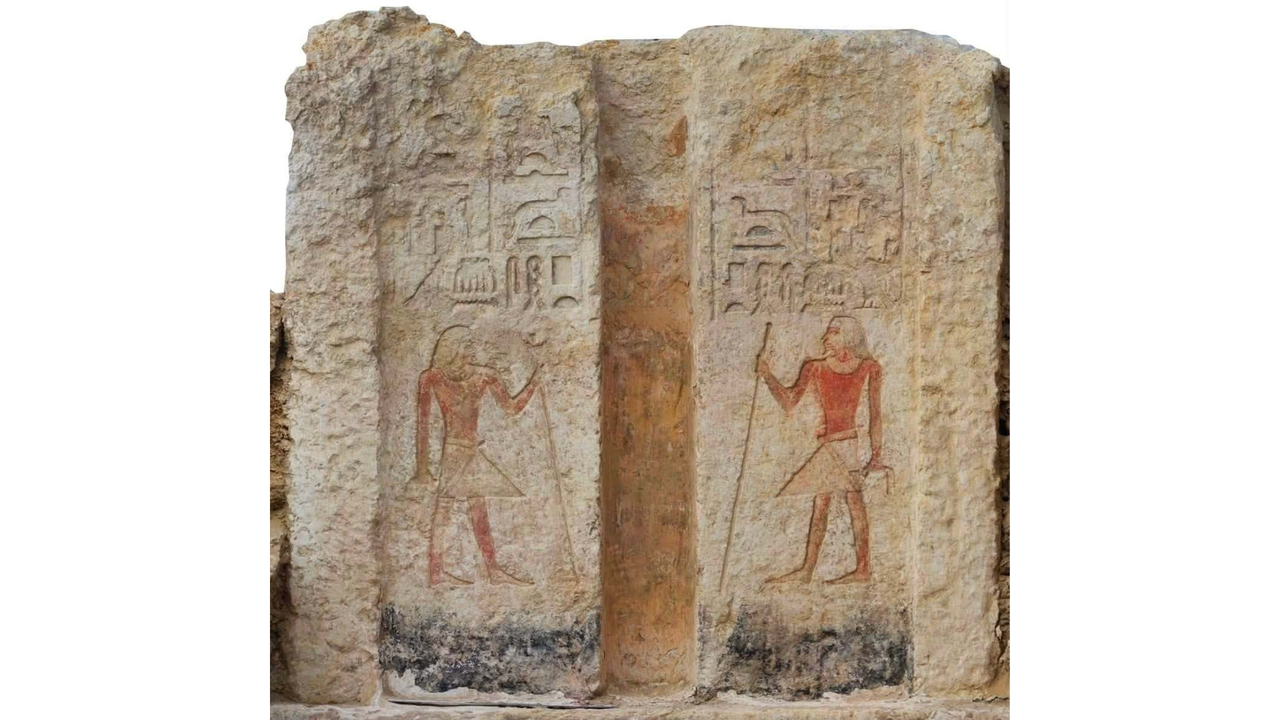
Excavators in Egypt announced the discovery of an ancient tomb at Saqqara belonging to Sekhentio-Ptah, an official from the Old Kingdom (2649–2150 B.C.) who held titles including "Keeper of the Secrets of Royal Decrees," "Overseer of all the King's Works," and "Overseer of Royal Documents." The decorated burial contained an offering table, purification basin, two false doors dated to the late fifth or early sixth dynasty (approximately 4,350 years ago), over 100 shabtis (servant figurines), a wooden falcon statue, and remains of cartonnage (mummy wrapping material). The tomb was located in the Bubasteion area of Saqqara, a site commonly used for cat burials in later periods. Sekhentio-Ptah's mummy was not identified.
Context
The title "keeper of the secrets of royal decrees," though mysterious-sounding, likely represented a bureaucratic position managing royal documents and scribes with access to confidential information—a common role among royal scribes. The excavators' findings suggest the tomb was reused for later burials, a common practice in ancient Egypt; the shabtis and cartonnage likely belonged to subsequent interments rather than Sekhentio-Ptah's original burial. This discovery contributes to understanding the administrative hierarchy and burial practices of the pyramid-building Old Kingdom.