NASA's Swift Observatory Ends 22-Year Mission; Reentry Expected Within Weeks
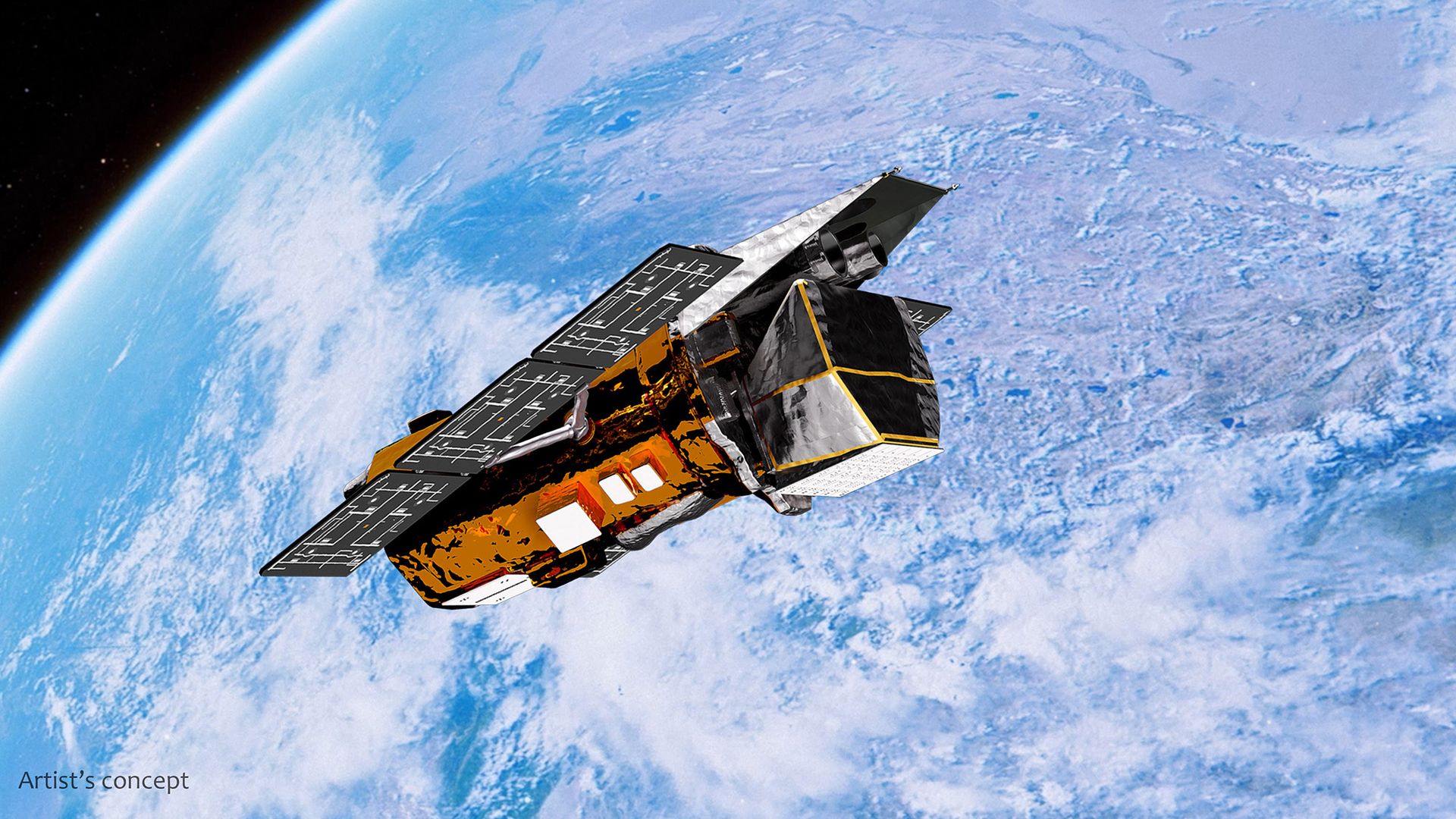
The Neil Gehrels Swift Observatory, which far exceeded its two-year design life by tracking cosmic explosions for over two decades, has been shut down and will reenter Earth's atmosphere in the coming weeks.
What happened
NASA officially ended the Swift Observatory's science operations on October 20 after the spacecraft descended to 171 miles (275 kilometers) altitude, too low to collect reliable data. The observatory's decline accelerated due to intense solar activity increasing atmospheric drag; a failed August rescue attempt by a private spacecraft to boost its orbit sealed its fate. Swift is expected to break up during atmospheric reentry within the next few weeks. The satellite launched in November 2004 with an intended two-year mission but operated for 22 years, generating observations for approximately 7,000 scientific papers on gamma-ray bursts, supernovas, and black-hole-related phenomena.
Context
Swift's extended operational life made it a cornerstone asset in astrophysics research. The mission's key innovation was rapid-response capability—its ability to reorient toward detected explosions within minutes—which fundamentally changed how astronomers study transient cosmic events and contributed to a revolution in understanding the dynamic universe. The loss represents the end of two decades of multiwavelength observation capability in optical, ultraviolet, and X-ray bands. Swift's demise reflects broader challenges posed by increased solar activity to satellite operations in low Earth orbit, a problem affecting multiple spacecraft simultaneously.