3,200-year-old inscription found in Egypt may identify long-lost city of Mesn from Ramesses II era
Archaeologists discovered an ancient inscription and Horus temple at Tell Abu Seifi near the Suez Canal that suggest the site may be the lost city of Mesn, though experts call for more evidence before confirming the identification.
What happened
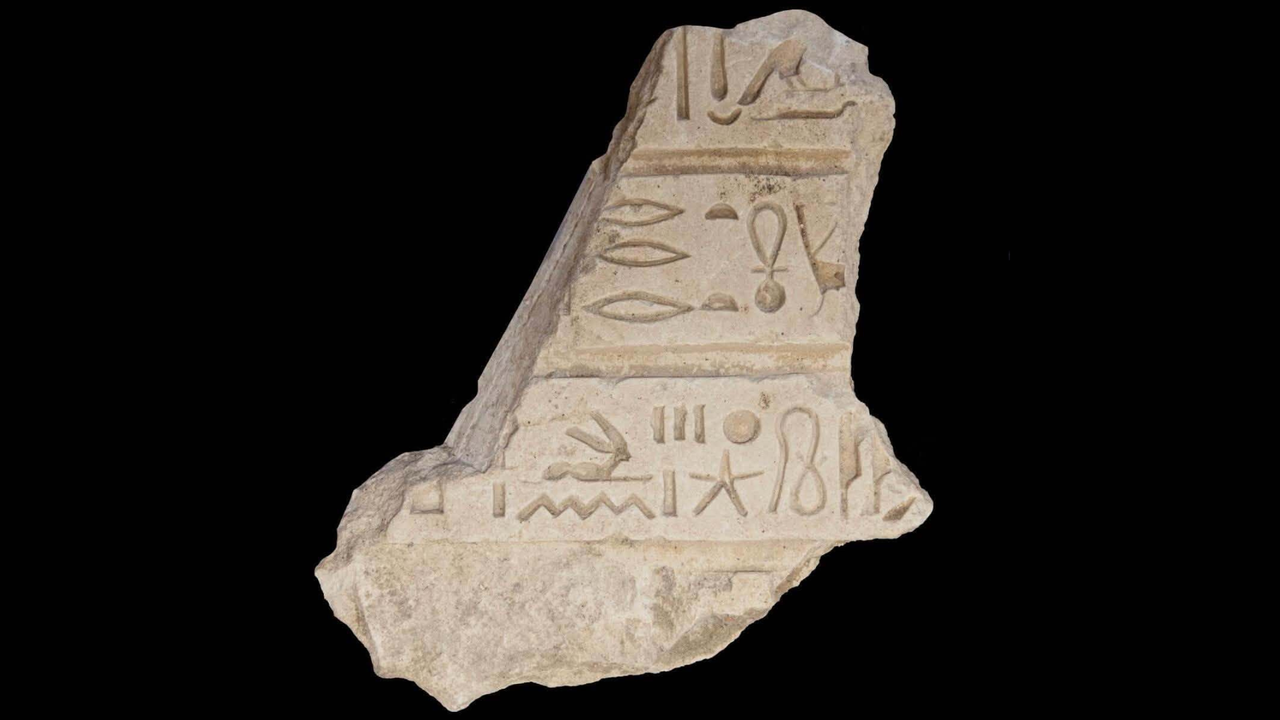
A 3,200-year-old Egyptian inscription found at Tell Abu Seifi (located near the Suez Canal in the north Sinai Desert and eastern Nile Delta) mentions Ramesses II and refers to Horus as "Lord of the City of Mesn." Archaeologists also uncovered remains of a temple dedicated to Horus at the site, though it was nearly completely destroyed. A bronze seal from the Ptolemaic period (circa 304-30 B.C.) previously found at Tell Abu Seifi also bore an inscription reading "Horus, Lord of Mesen," and coffins from the same period with similar inscriptions were discovered there. Egyptian Ministry of Tourism and Antiquities representatives stated that the combined evidence—the inscription, temple remains, and the site's location near the ancient "Way of Horus" military road—suggests Tell Abu Seifi is likely Mesn.
Context
Mesn appears to have been a significant religious and military center in ancient Egypt, with the cult of Horus deeply embedded in its identity across centuries. The site's location near the "Way of Horus," a fortified road connecting the eastern Nile Delta to the southern Levant, positioned it as a strategic launching point for Egyptian military campaigns into Canaan, Lebanon, and Syria during the era when the Egyptian empire dominated the region. The inscription mentioning Ramesses II's restoration of a Horus statue, corroborated by discovery of a statue pedestal at the site, indicates the city retained religious and political importance during that pharaoh's reign (1279-1213 B.C.). If confirmed, the identification would establish the location of a previously lost settlement and clarify the geography of Egyptian military infrastructure under Ramesses II, including staging areas for his campaigns such as the Battle of Kadesh.