Orbital ATK's Antares rocket returns to flight after 2-year hiatus following 2014 explosion
On October 17, 2016, Orbital ATK successfully launched its Antares rocket to the ISS after a catastrophic failure nearly two years earlier, restoring a critical redundancy for NASA's cargo resupply operations.
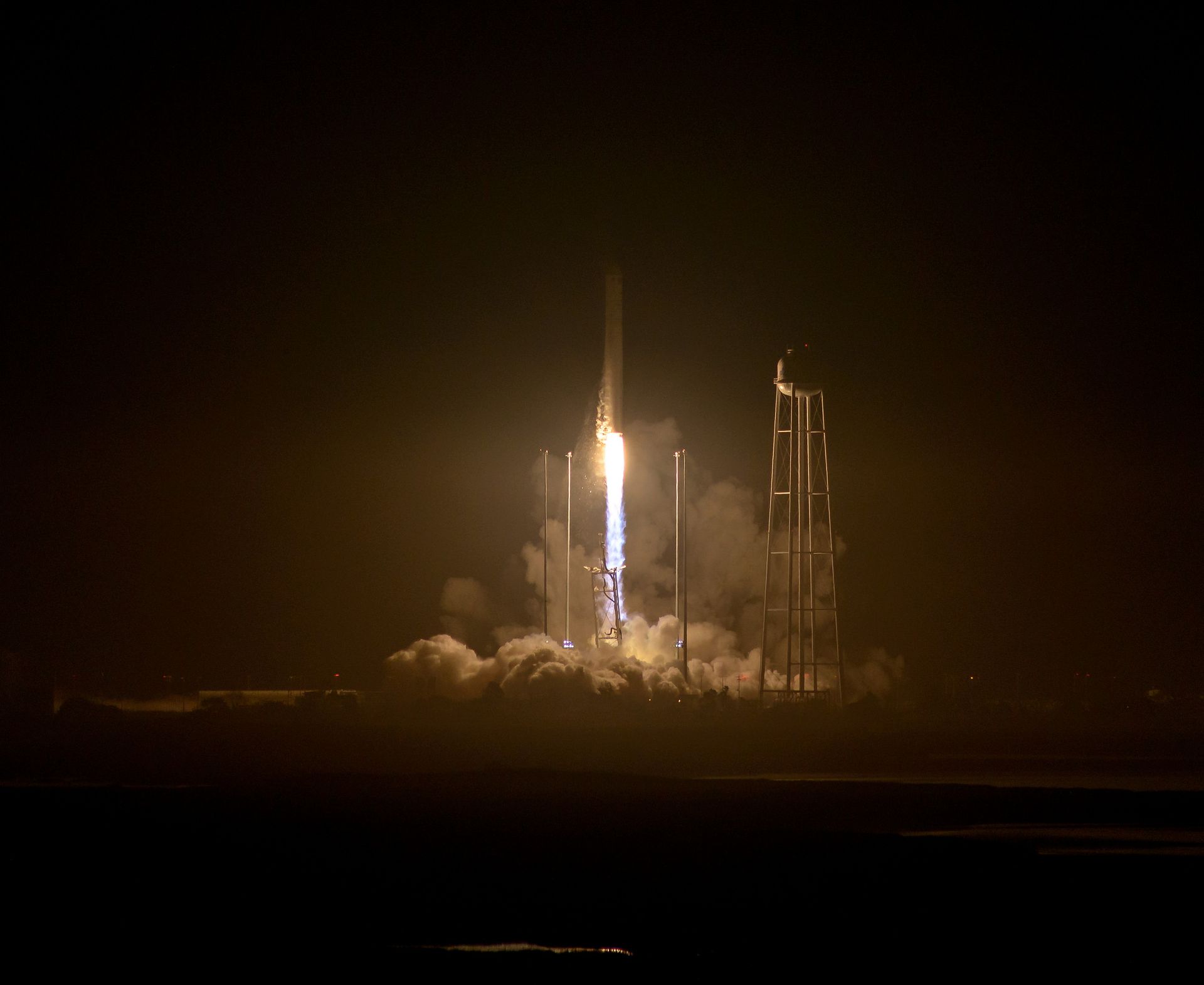
What happened
On October 17, 2016, Orbital ATK (now Northrop Grumman Space Systems) successfully launched an upgraded Antares rocket from NASA's Wallops Flight Facility in Virginia, carrying a Cygnus cargo spacecraft to the International Space Station. The launch followed a catastrophic explosion that occurred a few seconds after liftoff during the company's previous cargo mission attempt nearly two years earlier. Six days after launch, the Cygnus spacecraft arrived at the ISS with food, supplies, and science experiments for the crew.
Context
NASA contracts with multiple commercial and international partners to maintain continuous cargo resupply to the ISS, a requirement for sustaining human occupancy. Orbital ATK and SpaceX are NASA's designated U.S. commercial resupply contractors, while Russia's Progress spacecraft, the European Space Agency's ATV, and Japan's HTV provide additional capacity. The loss of any single cargo vehicle can be accommodated temporarily, but the Cygnus, Progress, and Dragon spacecraft are described as key components for the station's continuous operation. Restoring Antares to operational status after its catastrophic failure was therefore critical to ensuring adequate redundancy in the ISS logistics network and supporting the station's science mission.