U.S. Conducted 65+ Attacks on Boats in Caribbean and Pacific, Killing Over 225 Civilians in Past Year
A classified Justice Department legal opinion justified targeting drug boats as military assets, but defense officials, legal experts, and members of Congress say the strikes constitute extrajudicial killings and potential crimes against humanity.
What happened
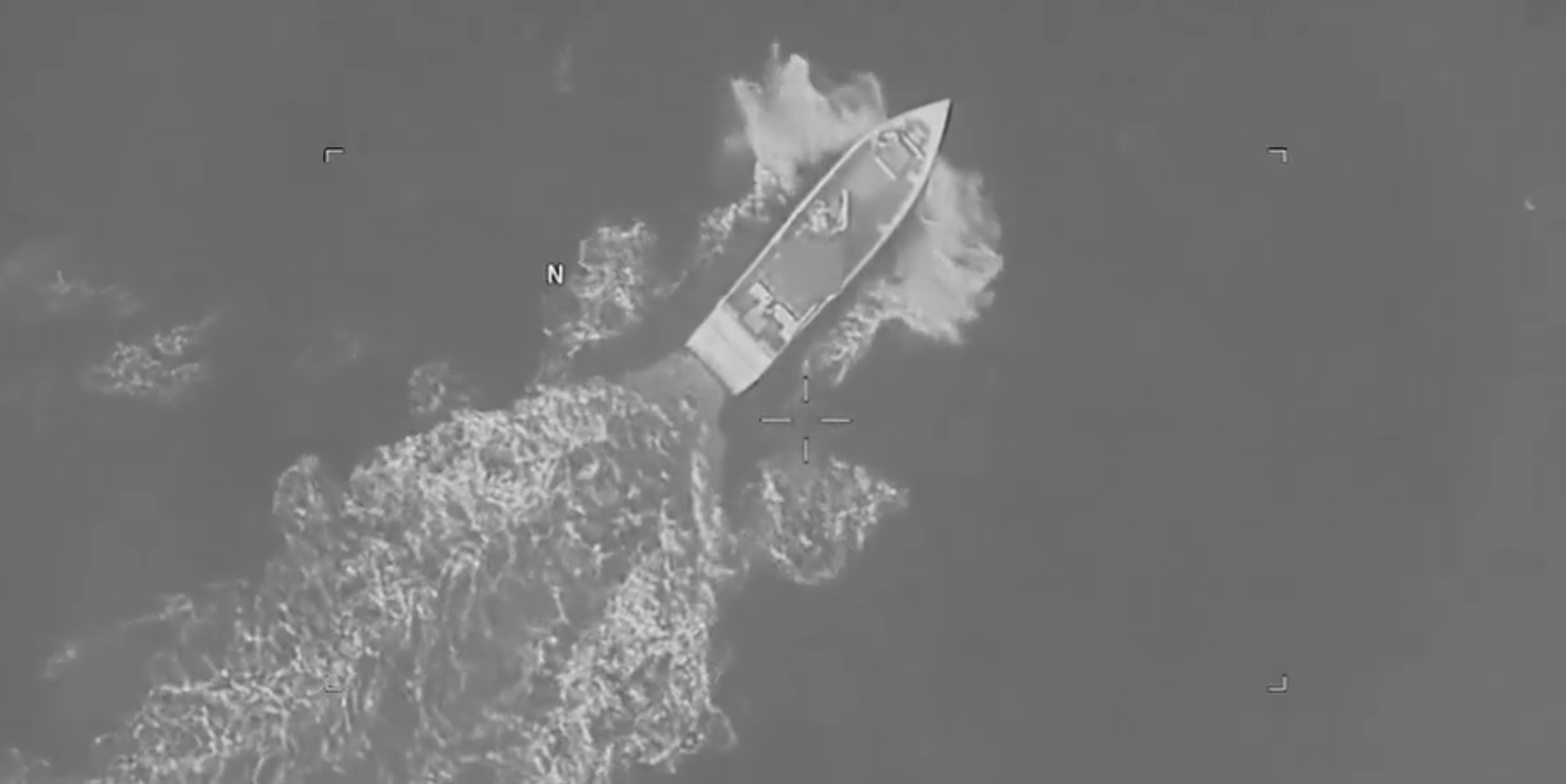
Beginning with a September 2, 2025 strike ordered by then-JSOC commander Adm. Frank Bradley, the U.S. military has conducted more than 65 attacks on speedboats, killing over 225 civilians in the Caribbean Sea and Pacific Ocean. In the initial strike, SEAL Team 6 operators destroyed a boat carrying 11 men; after survivors climbed onto wreckage, Bradley authorized two additional missile strikes that killed them. A classified Office of Legal Counsel opinion, prepared by an interagency working group including the CIA, State Department, White House, DOJ, and Defense Department, asserted that narcotics on suspected drug boats are lawful military targets because cartels engaged in purported "non-international armed conflict" with the U.S. depend on drug revenue. Of 227 total killed, 26 have been identified by name—all apparently men aged 24–46, including nationals from Venezuela (18), Mexico (13), Colombia (3), Ecuador (3), Trinidad and Tobago (2), and Saint Lucia (2). Among the identified were a bus driver, mototaxi driver, fishing workers, and a futsal player from poor communities with apparent ties only to the lowest levels of narcotrafficking.
Context
The strikes raise fundamental questions about the scope of U.S. military authority and the legal basis for lethal operations outside declared armed conflicts. The classified OLC opinion represents an official interpretation by multiple agencies that framing drug trafficking as a form of armed conflict permits targeting and killing individuals on the high seas without capture, trial, or due process. A classified briefing by Rear Adm. Brian H. Bennett revealed that some of the 11 people on the initial boat may have been human trafficking victims rather than narcotics traffickers, and a defense official who reviewed the OLC opinion stated the U.S. killed people beyond those the opinion's own rationale would cover. Sen. Tim Kaine found after reviewing classified materials that available evidence suggests the U.S. killed individuals not involved in narcotrafficking. The difficulty of tracking ocean-based strikes—given vast search areas, limited satellite imagery, few witnesses, and physical evidence consumed by the sea—means most victims remain unidentified and their families lack information about what occurred.
What's disputed
Legal experts and congressional members from both parties dispute whether the strikes are lawful, with some characterizing them as illegal extrajudicial killings and potential crimes against humanity. A former State Department lawyer and laws-of-war specialist stated there is no plausible legal justification since the strikes occur outside any armed conflict. U.S. Southern Command asserts each operation is planned within the full bounds of legal framework and meets OLC criteria. The Intercept reported that White House and Defense Department claims about the boat strikes stopping fentanyl flow and saving over 1 million American lives are described as baseless or phony.