Federal historic preservation agency advances rules that would weaken protections for Indigenous sacred sites and cultural resources
The Advisory Council on Historic Preservation voted in July to propose sweeping changes to Section 106 regulations that would reduce consultation requirements and exclude vast categories of cultural heritage from protection.
What happened
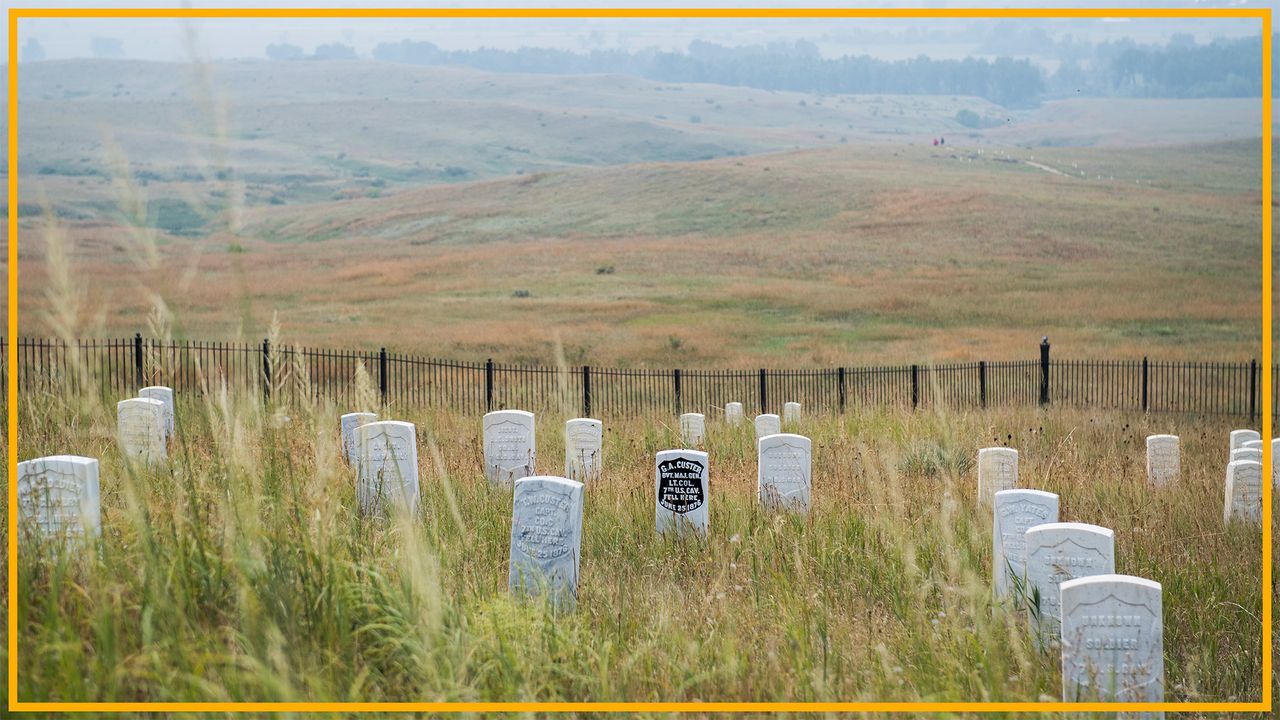
The Advisory Council on Historic Preservation (ACHP) voted in July to advance proposed new rules that would significantly alter implementation of Section 106 of the National Historic Preservation Act, which has governed federal agency review of projects affecting historic and cultural properties since 1974. The proposed regulations would give federal agencies discretion to decide whether to conduct public participation or notify the public before approving projects affecting historic properties, and would allow agencies to approve projects damaging Tribal sacred places without consulting Tribal Nations. The rules redefine "historic property" to require tangible structures and geographic compactness, automatically excluding battlefields like Gettysburg or the Little Bighorn, cultural landscapes like Devil's Tower in Wyoming or the Black Hills in South Dakota, petroglyphs in Chaco Canyon, and ethnographic landscapes from protection. Mitigation of damage to historic sites would become optional, with federal agencies only required to consider impact-reduction measures if they are "technically and economically feasible."
Context
Section 106 has required federal agencies to assess effects of their actions on historic and cultural properties and to consult with Tribal Nations on a government-to-government basis regarding projects affecting sacred and culturally significant sites. The proposed changes shift Section 106 from a consensus-seeking process to one where agency officials make unilateral decisions after reviewing but having no obligation to respond to public comments. The redefinition of protected properties would exclude categories of heritage sites of deep spiritual and historical significance to American Indian groups, particularly non-compact natural features. According to the source, these changes would remove protections for 99% of American Indian heritage and could result in the erasure of the heritage of an entire group of people in the United States – those who lived here before European colonization.