Ice sheet expansion may have started 2,000 years ago, but we canceled that
A Laurentide ice remnant shows evidence of re-expansion 2,000 years ago that would have launched a new ice age—until human-caused warming reversed it around 1960.
What happened
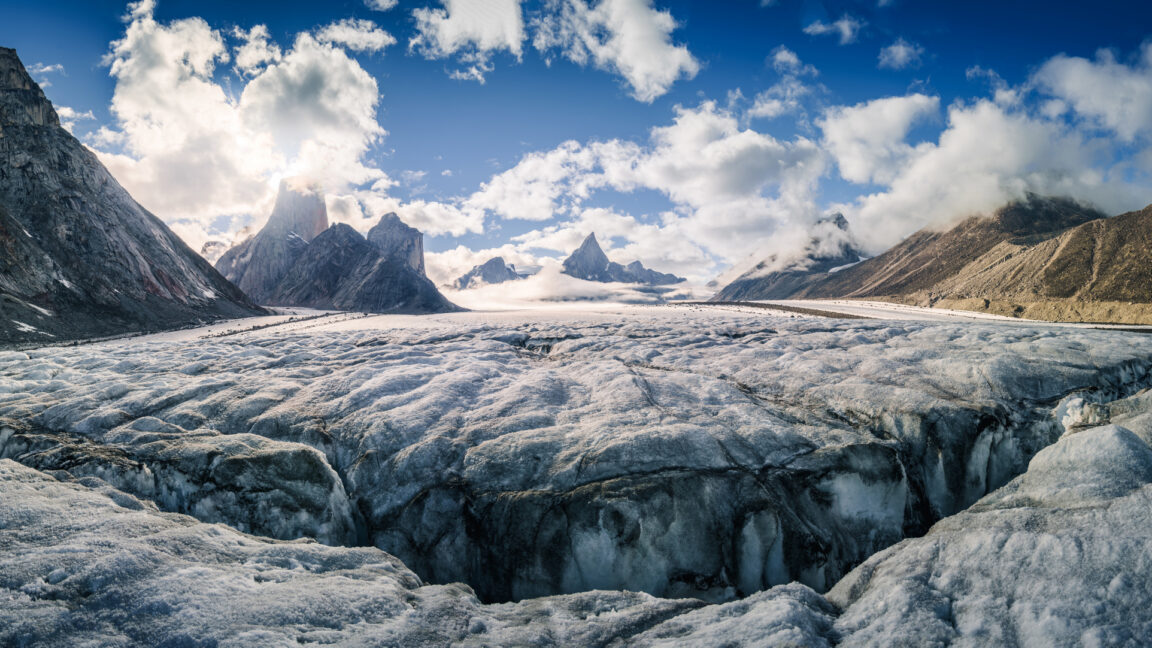
Researchers studying Barnes Ice Cap on Baffin Island found that the Laurentide Ice Sheet, which reached its smallest size about 3,600 years ago, began re-expanding roughly 2,000 years ago. The team, led by geologist Nicolás Young at Columbia University's Lamont-Doherty Earth Observatory, interpreted this as the opening phase of a new glaciation cycle. The evidence was preserved because Barnes is a cold-based glacier frozen directly to bedrock, preventing erosion and holding intact tundra plants that were smothered when ice returned—plants that have been locked in place for two millennia. The researchers used two independent dating methods to pinpoint the turnaround. Human-caused climate warming beginning around 1960 reversed this re-expansion trend.
Context
The Laurentide was the largest Pleistocene ice sheet, at its peak burying most of Canada under two miles of ice and locking away approximately 80 meters of sea level. Barnes is the last surviving fragment of this ice dome. The discovery carries implications for understanding natural glaciation cycles and how human-induced warming has interrupted a process that would otherwise have continued toward ice age conditions.