U.K. astronomers launch crowdsourced search for millions of 'missing' black holes in Milky Way
The Black Hole Hunters project recruits public volunteers to identify black holes by analyzing brightness patterns in NASA telescope data.
What happened
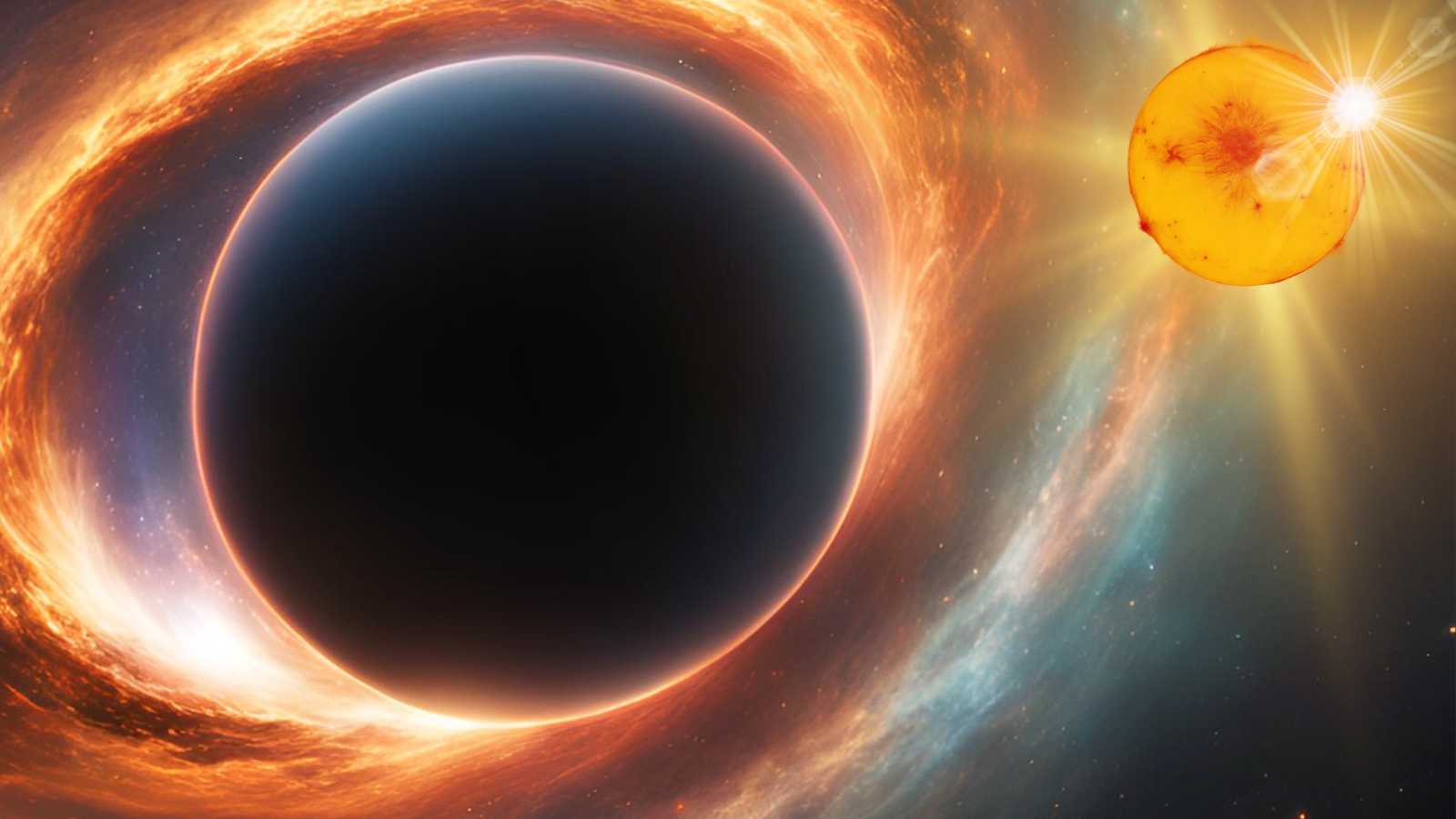
Astronomers estimate the Milky Way contains over 10 million black holes, but only 70 have been found to date. A U.K.-based team launched Black Hole Hunters on the Zooniverse platform in October 2021 to close that gap by crowdsourcing analysis of data from NASA's Transiting Exoplanet Survey Satellite (TESS). Volunteers identify patterns indicating black holes that bend starlight as they orbit binary companions, acting as cosmic magnifying glasses. The project has attracted nearly 23,000 volunteers who have completed over 12 million classifications. The team previously ran a similar search using SuperWASP ground-based survey data and plans to expand using the European Space Agency's Euclid mission and NASA's Nancy Grace Roman Space Telescope.
Context
Black holes form when massive stars collapse and remain invisible, but reveal themselves by bending light from nearby objects. The project exploits this phenomenon in binary star systems where a black hole periodically passes between its companion star and Earth, magnifying the star's brightness in detectable patterns. Automated algorithms can screen millions of TESS observations, but struggle with cosmic noise like stellar flares and stellar pulsations that cause false positives; human pattern recognition overcomes this limitation. Multiple volunteers review each signal and their answers are combined to average out individual errors, yielding a crowdsourced shortlist that allows astronomers to efficiently target expensive follow-up observations. With potentially thousands of black holes to find, the project frames citizen science as a necessary resource multiplier.