Mexico's Sheinbaum Proposes Constitutional Ban on Dual Citizens Holding Presidency or Governorships
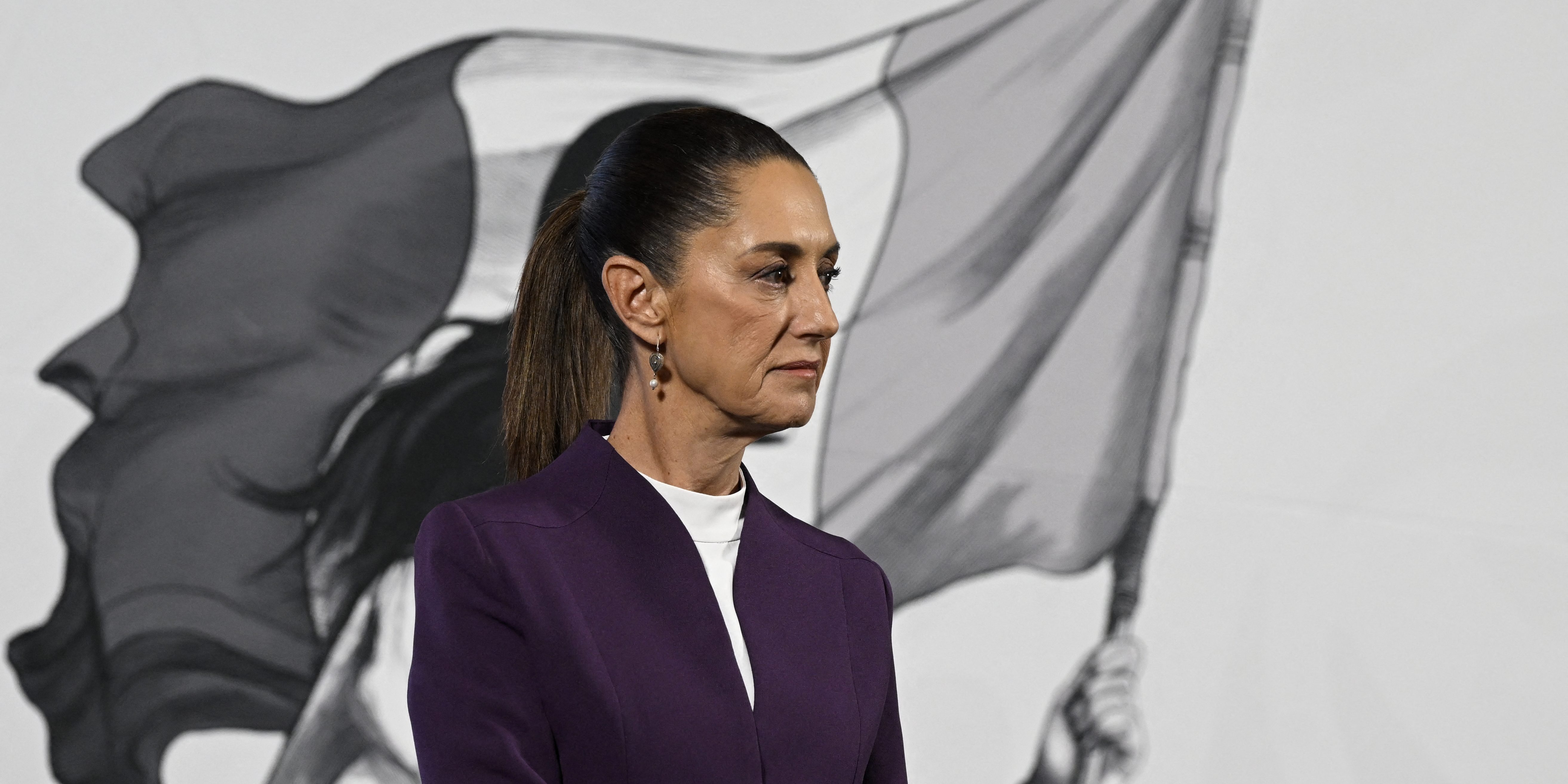
President Claudia Sheinbaum announced on August 25 a proposal to amend Mexico's constitution to bar dual nationals from serving as president or governor, citing the need to shield the country from foreign political influence.
What happened
Mexican President Claudia Sheinbaum proposed a constitutional change to prohibit dual citizens from running for president or governor of any Mexican state. She stated, 'A Mexican president is Mexican and does not represent another country,' during an August 25 press conference. If adopted, the measure would make Mexico's presidential qualifications more restrictive than the United States, which has no explicit ban on dual citizenship for presidents. Sheinbaum's proposal follows her May decision to grant Mexico's National Electoral Institute power to annul presidential elections influenced by foreign actors. Morena senator Cynthia López Castro framed the initiative as necessary because those holding dual nationality have legal bonds to another state and cannot exclusively represent the Mexican people.
Context
Sheinbaum's proposal appears motivated by concern over the political ascendancy of right-wing leaders in Latin America who hold U.S. citizenship: Colombia's Abelardo de la Espriella (U.S. and Italian citizen, registered Republican) and Ecuador's Daniel Noboa (born in Miami). Sheinbaum and Morena, the party she leads and founded by former President Andrés Manuel López Obrador, believe an international far-right movement under U.S. influence seeks to weaken Mexico's left-wing leadership. The measure raises a central question within Mexico about whether protections against foreign influence could be used to consolidate Morena's own power. Mexican observers are divided: some see the reforms as legitimate defense against foreign interference, while critics view them as part of an authoritarian consolidation. Conservative opposition figure Damián Zepeda frames the proposal as both authoritarian in context and harmful to Mexican immigrants abroad, characterizing it as a 'double narrative' that restricts rights of those born in the U.S. due to migration circumstances.
What's disputed
Whether Sheinbaum's reforms are necessary protective measures or mechanisms for authoritarian consolidation of power by Morena. Whether Trump has actually created the conservative Latin American coalition he claims (academic Pamela Starr argues Latin Americans are voting on Latin American concerns, not responding to Trump's influence). Whether the proposal targets legitimate foreign interference or infringes on the rights of diaspora Mexicans.