Bright Moon to Hamper Orionid Meteor Shower Peak in Late October 2026
An 80%-illuminated waxing gibbous moon will significantly reduce visibility of the Orionids during their peak night of October 21-22, 2026.
What happened
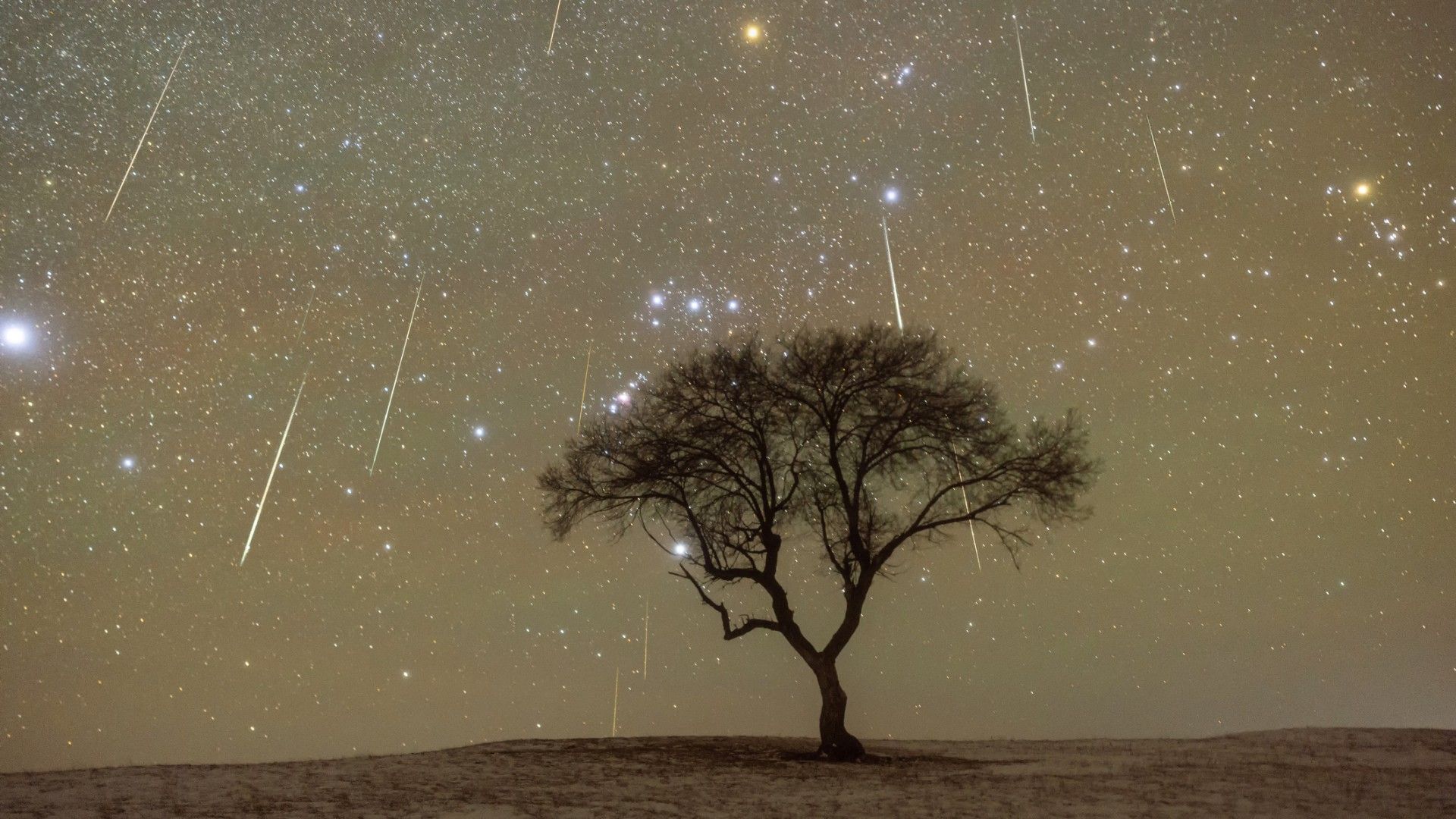
The Orionid meteor shower will peak overnight on October 21-22, 2026, but an 80%-illuminated waxing gibbous moon will brighten the night sky and make meteors difficult to see. The moon reaches first quarter on October 18 and continues waxing toward full on October 26, setting around 3:00 a.m. local time across Europe and North America on October 22. A narrow observing window exists after moonset and before sunrise (around 6:30 a.m.), lasting roughly until 5:00 a.m. astronomical darkness. The Orionids are active from October 2 through November 7, with debris from Halley's Comet striking Earth's atmosphere at approximately 41 miles per second, typically producing a zenithal hourly rate of 20 or more meteors under ideal conditions.
Context
The moon's interference means observers will need to plan carefully around its phase and position rather than simply viewing during the advertised peak. The presence of a bright moon reduces what would normally be a favorable observing opportunity, requiring observers to either stay up through the narrow pre-dawn window when the moon has set, or choose alternative observing nights during the shower's broader active period. This illustrates the broader principle that successful meteor observation requires flexibility and attention to multiple variables—moon phase, weather, and radiant position—rather than simply following a calendar peak date.