Siege of Taiz traps kidney patients, blocking life-saving dialysis amid Yemen's escalating regional conflict
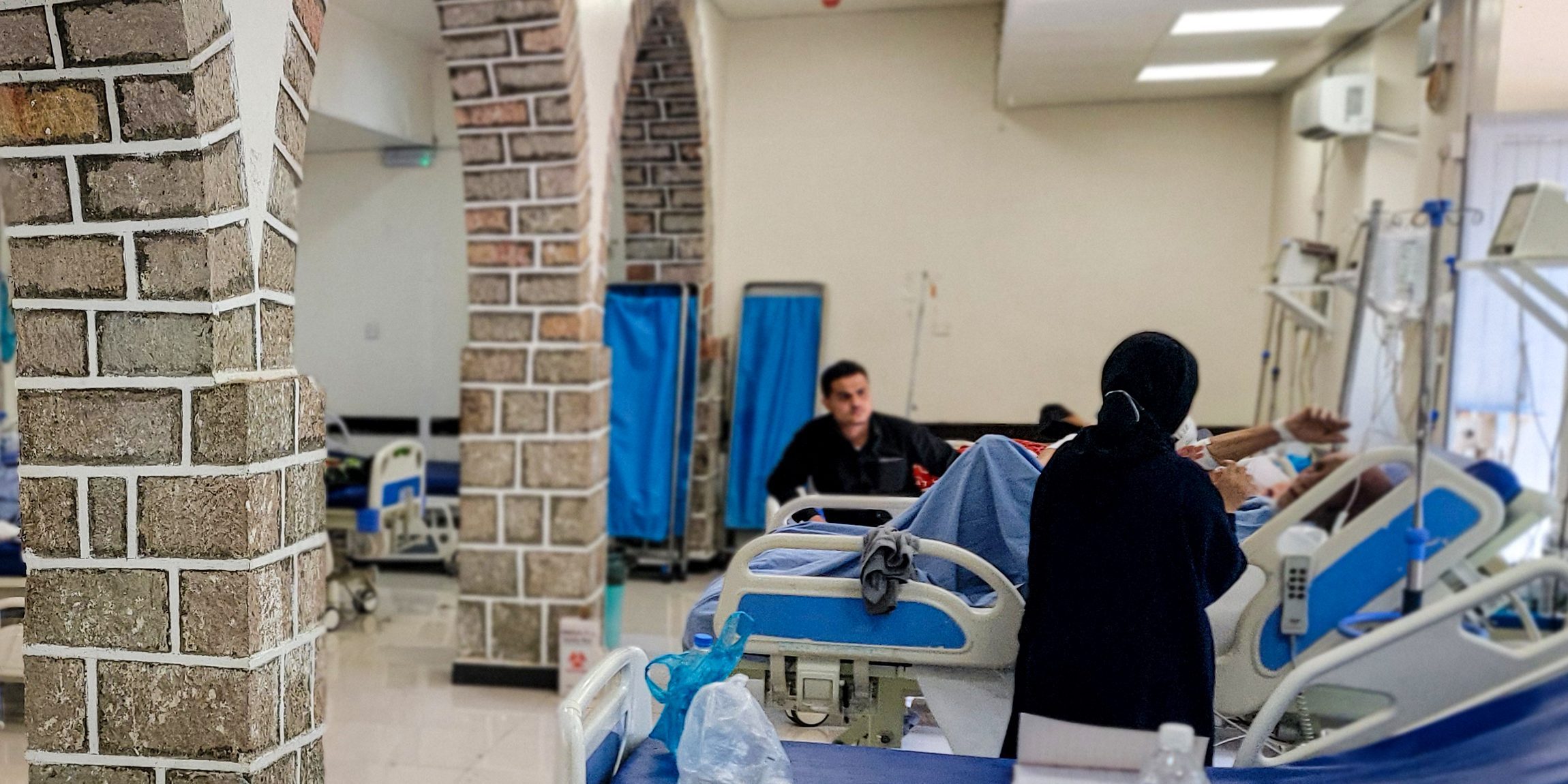
At least 10 dialysis patients have died in the besieged Yemeni city of Taiz since the siege began, unable to reach treatment due to road closures and security restrictions.
What happened
Since Houthi forces severed the main mountain road linking Taiz to Aden in early October and pushed into the surrounding highlands, more than 600,000 residents have been trapped. At least 10 kidney dialysis patients have died at home because they could not reach the dialysis center at al-Jumhuri Hospital, according to Dr. Issam Mahyoub, the center's director. Dr. Fouad al-Haddad, the hospital director, warns that approximately 60 percent of kidney failure patients in Taiz now face death risk due to inability to access treatment. Patients from outlying areas like Jabal Habashi, al-Misrakh, and al-Shamayatayn—some traveling 30 kilometers through active fighting—have become unable to reach the center. One 58-year-old man with two years of kidney failure died at home after his family could not safely transport him for his twice-weekly dialysis sessions.
Context
The blockade of Taiz is a direct result of escalating fighting between Houthi forces and the Saudi-backed Yemeni government. The Houthis, an Iran-aligned armed group, entered the regional war in March by firing missiles at Israel in retaliation for Israel and U.S. attacks on Iran, and have since expanded military operations across Yemen, including seizing coastal areas and imposing a naval blockade on the Bab al-Mandeb Strait. In early October, Yemeni government forces backed by the Saudi-led coalition launched an operation aimed at retaking the coast, and as they moved inland, Houthi forces pushed into the highlands around Taiz, severing the main road to Aden. The siege compounds an already fragile humanitarian situation: wheat and flour stocks in the city are nearing depletion, food and fuel prices have soared, and medical supplies have been cut off by fighting on roads near Taiz. According to the World Health Organization, at least 800 people have been killed in Yemen since the regional war reignited this summer, with thousands wounded and tens of thousands displaced. The blockade represents how geopolitical struggles over regional leverage translate into severed access to medical care, creating preventable deaths among civilians dependent on ongoing treatment—a dynamic that observers characterize as part of the wider Iran war's toll on Yemen, which has already endured more