ACLU Honors Pauli Murray, Pioneering Black Queer Attorney Who Shaped Intersectional Rights Law
Reverend Dr. Pauli Murray, a civil rights lawyer and theorist, developed legal frameworks linking racial and gender discrimination that influenced major Supreme Court decisions and continue to inform civil rights advocacy today.
What happened
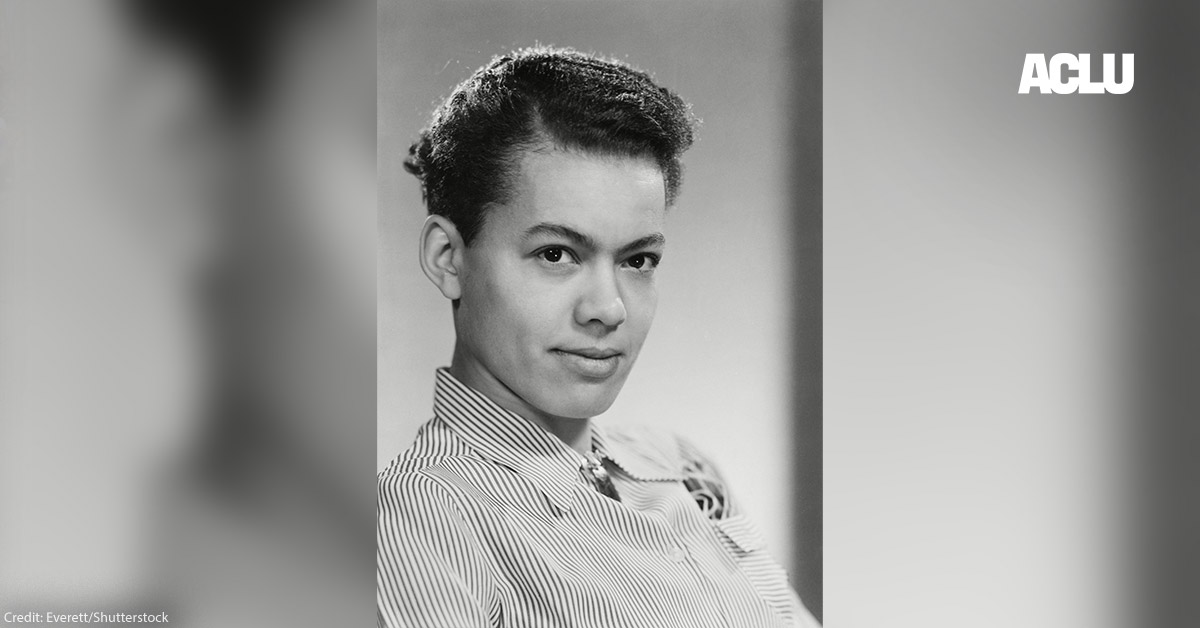
Born Anna Pauline Murray in Baltimore in 1910, Murray became a pioneering civil rights attorney, legal theorist, poet, and Episcopal priest who served on the ACLU's Board and as an advisor. While at Howard Law School, where Murray graduated first in a class of all men, they developed the concept of "Jane Crow" to describe discrimination based on both gender and race, and wrote a thesis arguing the Fourteenth Amendment's Equal Protection Clause could overturn Plessy v. Ferguson—a theory later used by Justice Thurgood Marshall in Brown v. Board of Education. Murray also litigated White v. Crook, a case about jury selection, building an argument that the Constitution protects against both race and sex discrimination and that these forms of discrimination work together to protect the same power structure. The ACLU's Pauli Murray Fellowship was founded in 2022 in honor of their contributions.
Context
Murray's intersectional legal approach—recognizing how racial and gender oppression operate simultaneously—laid a foundation for modern civil rights strategy that the ACLU continues to employ. As someone who rejected traditional gender norms from childhood, wore pants and cut hair short in college, sometimes used the name Oliver, and later became an Episcopal priest, Murray's own expansive identity informed their groundbreaking legal vision. Their work demonstrates how legal innovation beyond narrow disciplinary thinking can generate more powerful frameworks for justice. Murray's legacy is particularly significant because their theoretical contributions—developed amid widespread dismissal and being labeled "insane" for ideas ahead of their time—remain central to how contemporary civil rights organizations approach intersectional advocacy.